Play store


The first-ever International Day for the Elimination of Child, Early and Forced Marriage will be observed on November 27, with Bangladesh facing renewed calls to strengthen birth registration to combat child marriage.
The United Nations General Assembly decided to observe the day at its session in September this year.
Ahead of the occasion, research and advocacy organisation PRAG (Knowledge for Progress) highlighted the country’s child marriage situation and stressed the importance of universal birth registration in a press release.
According to reports by the United Nations Population Fund (UNFPA) and UNICEF, around 47 per cent of girls in Bangladesh were married before the age of 18 in 2025, the highest rate in South Asia.
Child marriage often forces girls to leave school prematurely and limits their future employment opportunities. Early pregnancy also exposes mothers and children to serious health risks, adversely affecting the country’s overall socioeconomic development, the organisation said.
Call for legal reforms
PRAG said birth registration was a prerequisite for ensuring children’s education, health, dignity and equal rights. Universal registration would also help identify children at risk of child marriage at the local level.
However, nearly half of the country’s population still remains outside the birth registration system, raising concerns about efforts to ensure universal coverage.
Experts believe limitations in the existing law are a major obstacle to achieving full registration.
They have called for amendments to the Births and Deaths Registration Act 2004 to make healthcare institutions, rather than individuals, legally responsible for registering births.
Such a change could bring around 67 per cent of children born in hospitals under the registration system immediately after birth, as they would be registered automatically, according to the proposal.
International commitments
Bangladesh has committed to eliminating child marriage by 2030 under Sustainable Development Goal (SDG) target 5.3. SDG target 16.9 also calls for providing legal identity for all by 2030.
Universal birth registration could play a significant role in implementing the National Plan of Action to End Child Marriage (2018-2030) and the Child Marriage Restraint Act 2017, PRAG said.
An inter-ministerial dialogue held in October 2025 also emphasised strengthening age-verification procedures through universal birth and marriage registration.
Experts and stakeholders said complete birth registration was essential to preventing child marriage, as official birth records provide reliable legal proof of a girl’s age and can help prevent attempts to arrange underage marriages through falsified age information.
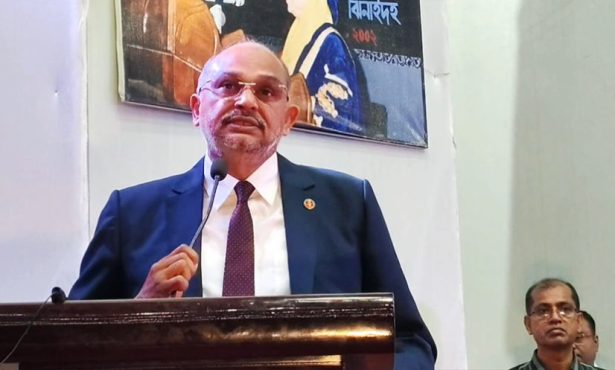
PRAG Executive Director ABM Zubair said ensuring the legal identity of every girl through birth registration would help protect her age, rights and childhood.
“Strengthening and modernising the Births and Deaths Registration Act 2004 is therefore crucial to building a child-marriage-free country,” he said.