Play store

Renewed tensions and a fresh wave of attacks across the Middle East have pushed global oil prices higher, reversing a weeks-long decline amid growing concerns over potential disruptions to crude supplies.
Brent crude futures for January delivery reached around $96 per barrel on Friday (November 27), marking a weekly increase of approximately 3.5%. This puts the global benchmark on course for its first weekly gain this month.
Meanwhile, US West Texas Intermediate (WTI) crude prices rose around 1% to approximately $84.50 per barrel.
The latest price surge follows a series of attacks involving Kuwait, Saudi Arabia and oil tankers passing through the strategically important Strait of Hormuz.
On Thursday, two Italian nationals were killed in a suspected Iranian drone attack on a military facility in Kuwait, Italian Foreign Minister Antonio Tajani said. The victims were technicians working for German defence equipment manufacturer Rheinmetall Italia.
Kuwait’s Defence Ministry said a Kuwaiti national and a Pakistani citizen were also injured in the incident. Iran, however, denied responsibility for the attack.
Meanwhile, Yemen’s Houthi rebels claimed responsibility for attacks on two Saudi oil refineries this week.
On Wednesday, the group claimed to have targeted Ras Tanura, Saudi Arabia’s largest oil refinery. The following day, a projectile struck a refinery in the southwestern Jazan region, killing a Nepalese worker and injuring several others.
Saudi Arabia’s Energy Ministry said the attack triggered a fire and forced the temporary suspension of some operations at the facility.
A high-rise building in Riyadh housing the headquarters of Saudi Arabia’s trillion-dollar sovereign wealth fund was also hit for the second time within days, leaving 11 people injured, according to Saudi authorities and eyewitness accounts.
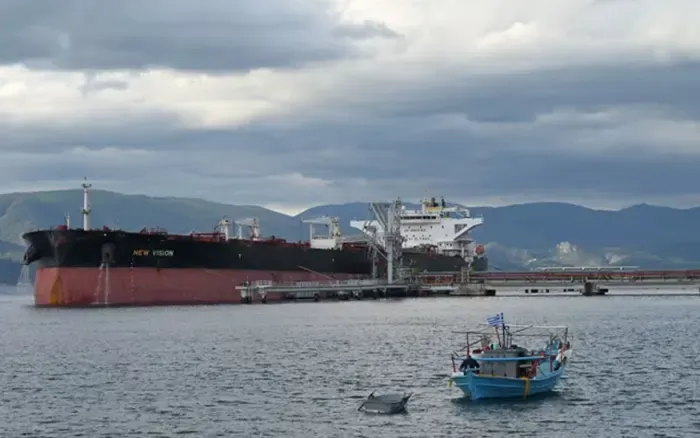
Iran has continued targeting oil tankers travelling through the Strait of Hormuz, a critical global energy shipping route.
According to a CNN analysis based on data from the UK Maritime Trade Operations Centre, nearly two dozen attacks on vessels have been reported in November, approaching the record 30 incidents recorded in October.
Preliminary data from energy analytics firm Kpler showed that oil shipments through the Strait of Hormuz had fallen to 55% of pre-war levels during the week ending November 25.
The disruptions have heightened concerns about the stability of global energy supplies.
Kathleen Brooks, research director at online brokerage XTB, said the latest attacks highlighted the instability of the current situation, with a lasting peace agreement between the United States and Iran remaining elusive.
She also warned that a sustained rise in oil prices could weigh on the recent rally in technology stocks.
Meanwhile, the Organisation of the Petroleum Exporting Countries and its allies, collectively known as OPEC+, are scheduled to meet on Sunday to discuss production policy.
The group has kept oil production targets unchanged since September after implementing six consecutive increases.
ING analysts said OPEC+ could consider maintaining current production quotas through January, although some member countries are pushing for higher output.
The outcome of the meeting, alongside developments in the Middle East, is expected to play a significant role in determining the direction of global oil prices in the coming weeks.