Play store

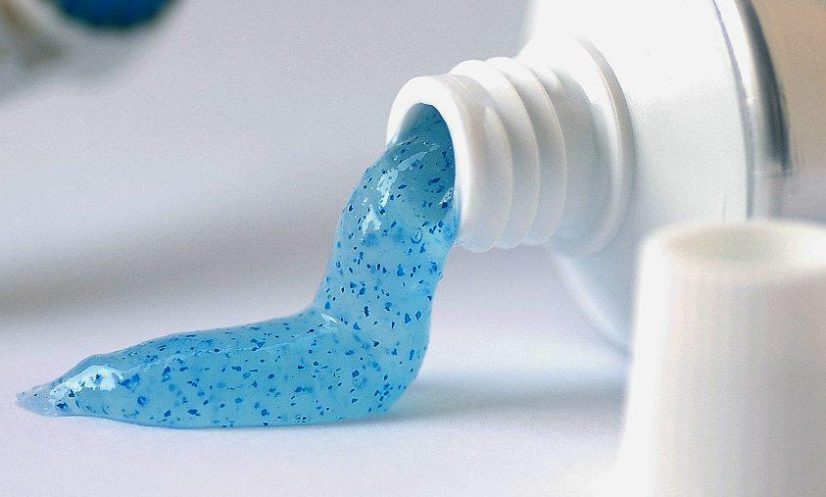
Microplastics have been detected in more than three-quarters of toothpaste sold in Bangladesh, raising fresh concerns about consumer safety and environmental impact, according to a new study.
The year-long research, conducted by the Environment and Social Development Organization (Esdo), found microplastics in 76.5% of tested toothpaste samples. The findings were unveiled at a press conference held at the organisation’s Lalmatia office on 26 July.
The study, titled Microplastic in Toothpaste, analysed 34 samples from 19 local and imported brands collected from supershops, retail outlets, and wholesale markets across the country between July 2025 and June 2026.
Laboratory testing was carried out at the Environmental Health and Ecotoxicology Laboratory under the Department of Environmental Sciences at Jahangirnagar University.
Out of the 34 samples, 26 were found to contain microplastics. A higher prevalence was observed in locally manufactured toothpaste—22 out of 25 samples contained microplastics. Imported samples also showed contamination, including products from Vietnam, Thailand, and India.
Researchers found microplastic concentrations ranging from 20 to 320 particles per 100 grams of toothpaste. The highest level was recorded in Mediplus Fluoride Gel, followed by products such as Closeup Red Hot, Closeup Menthol Fresh, and others.
Among six children’s toothpaste brands tested, four contained microplastics, with levels ranging between 20 and 140 particles per 100 grams. However, no microplastics were detected in two children’s toothpaste samples.
The study also highlighted a lack of transparency, noting that none of the products disclosed the presence of microplastics or synthetic polymers on their packaging—making it difficult for consumers to make informed choices.
Esdo Secretary General Shahriar Hossain said all samples were collected directly from verified market sources, ensuring authenticity.
A nationwide consumer survey involving 2,760 people revealed low awareness about the issue. Nearly 42% of respondents had never heard of microplastics in toothpaste, while only about 27% said they were aware of it.
Officials from the Bangladesh Standards and Testing Institution (BSTI) said current regulations specify approved ingredients and particle size limits but do not directly address microplastics. Authorities indicated that standards may be revised in the future.
Esdo described the research as Bangladesh’s first scientific study on microplastics in toothpaste and warned that these particles can enter the environment and the human body through water and food chains.
The organisation urged stronger regulations, better labeling practices, and further research, noting that international studies have linked microplastics to potential risks affecting the respiratory, digestive, immune, cardiovascular, nervous, and reproductive systems.