


 Play store

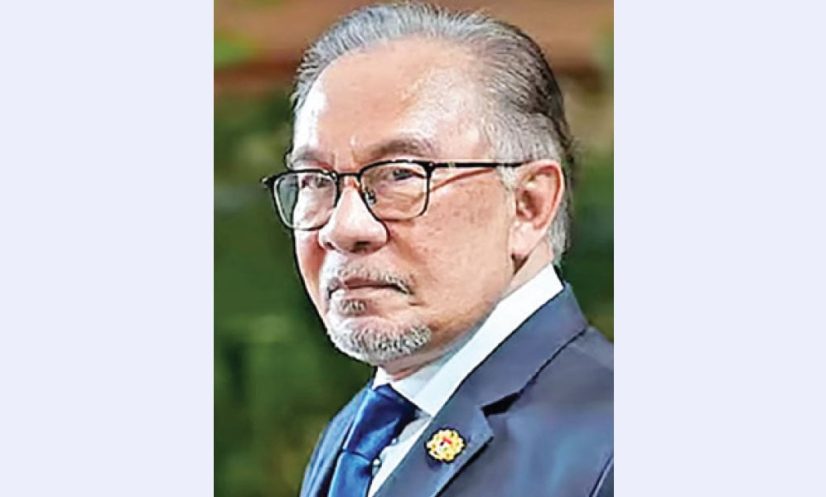
Malaysian Prime Minister Datuk Seri Anwar Ibrahim has announced that Myanmar has agreed to take back 5,000 Rohingya refugees from Malaysia and 300,000 Rohingya from Bangladesh following discussions between the two countries, reports The Straits Times
Speaking at a meeting with local voters in Chennah on Wednesday, Anwar said the agreement reflects Malaysia’s strong diplomatic engagement with Myanmar’s military-led government.
“This is why it is important to maintain good relations with Myanmar,” Anwar said. “We have held discussions, and issues like these require careful diplomacy to resolve.”
The Malaysian premier also stressed that his government would not tolerate any disruption to public order involving Rohingya refugees. He said he had instructed the Inspector-General of Police to take firm action against anyone causing disturbances in public places.
“I had already warned them (the Rohingya). Yesterday, I instructed the Inspector-General of Police to take strict action because I do not want Rohingya creating disorder on roads or in public areas,” he said.
Anwar noted that many people had previously called for the repatriation of Rohingya refugees, but such efforts were difficult because Myanmar had refused to accept them.
“People kept asking us to send them back, but where could we send them? Previously, Myanmar was unwilling to take them back, so we had no choice but to accommodate them in designated locations,” he said.
He also urged Rohingya refugees living in Malaysia to respect the country’s laws and avoid causing inconvenience to local communities.
“I told the Rohingya not to disrupt Malaysian businesses or obstruct traffic and residential areas. If they do, the local people will become angry,” Anwar said. “This is our country. Malaysia is our country. No one should create disorder here, and that is why we must be firm.”
According to the UN Refugee Agency (UNHCR), more than 215,000 registered refugees and asylum seekers currently live in Malaysia, including over 126,000 Rohingya from Myanmar—the second-largest Rohingya refugee population after Bangladesh. However, the community has frequently faced allegations of involvement in criminal activities in the country.