Play store

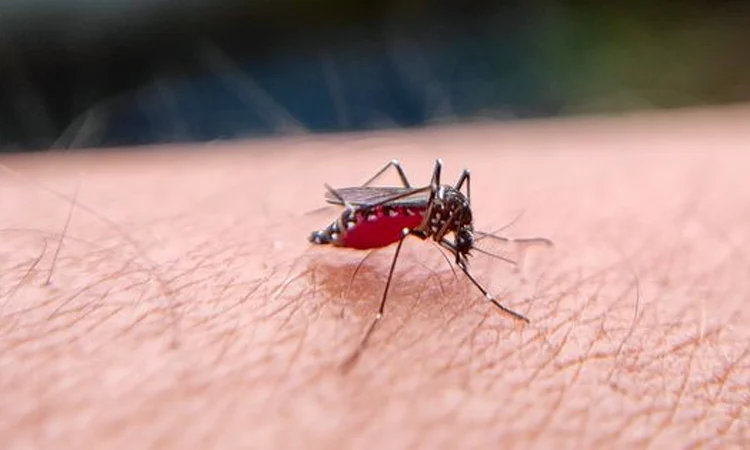
Public health experts and physicians have stressed the urgent need for mass awareness to prevent the spread of dengue, as the mosquito-borne disease continues to pose a serious health threat in Bangladesh.
They emphasised that preventing Aedes mosquito breeding, avoiding mosquito bites and seeking timely medical care are key to controlling the outbreak. Experts warned against staying at home without consulting a doctor after developing dengue symptoms.
“There is no alternative to awareness,” they said, noting that there is no universally recommended vaccine or specific cure for dengue. As a result, prevention remains the most effective strategy.
Experts highlighted that current weather conditions in Bangladesh are highly favourable for mosquito breeding, making community participation essential. They urged people to keep their surroundings clean and eliminate stagnant water, which serves as the primary breeding ground for Aedes mosquitoes.
Water should not be allowed to accumulate in containers such as flower pots, buckets, drums, air conditioners and refrigerator trays for more than five days. Unused items should be properly disposed of, and yards and nearby areas must be kept clean.
Official data as of July 28 show that 47 people have died from dengue this year, while 14,156 have been hospitalised. A total of 17,009 patients have recovered so far. In comparison, 102,861 cases and 413 deaths were recorded in 2025.
Public health expert Dr Mushtaq Hossain said dengue prevention must begin at the community level. “The fight against dengue should start not only in hospitals, but also in homes, schools and workplaces,” he said.
He added that coordinated efforts—such as early detection, protecting vulnerable groups, ensuring support for low-income patients and eliminating mosquito breeding sites—can significantly reduce deaths and suffering.
“If we treat rainfall merely as a natural trigger for dengue, the crisis will worsen. But strengthening preventive measures after rain can gradually free the country from this recurring outbreak,” he noted.
Dr Hasan Hafizur Rahman, Associate Professor of Medicine at Dhaka Medical College Hospital, also stressed awareness as the primary defence against dengue.
He said dengue fever can cause temperatures between 102°F and 105°F, and patients should be managed with tepid sponging and paracetamol at appropriate intervals, depending on severity.
“The most important aspect of treatment is maintaining adequate hydration,” he said, recommending fluids such as water, fruit juice, soup, oral saline and coconut water.
He reiterated that preventing mosquito breeding and avoiding bites remain the most effective ways to control dengue, adding that bushes, water bodies and surroundings near homes should be kept clean to reduce mosquito habitats.