


 Play store

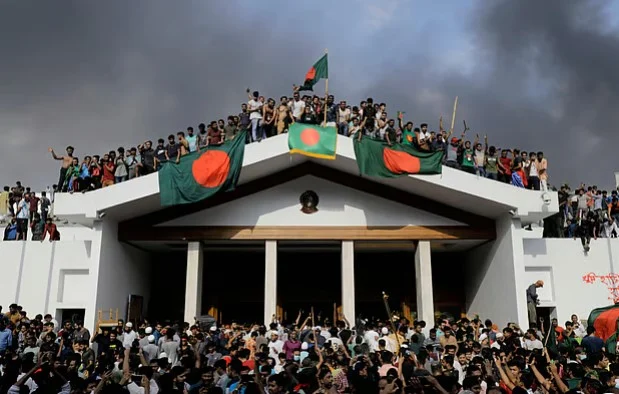
Bangladesh is observing July Mass Uprising Day today, marking the second anniversary of the student-led mass uprising that culminated in the fall of the Sheikh Hasina government on August 5, 2024, with nationwide programmes honouring those who lost their lives and participated in the movement.
The government, political parties, educational institutions and socio-cultural organisations organised a series of events, including wreath-laying ceremonies, rallies, discussions, cultural programmes and special prayers, to commemorate the occasion.
Acting President Hafiz Uddin Ahmed, Bir Bikram, and Prime Minister Tarique Rahman issued separate messages paying tribute to the martyrs and injured participants of the July-August 2024 movement.
In his message, the Acting President called for building a democratic, accountable and discrimination-free Bangladesh in line with the aspirations of those who sacrificed their lives during the uprising.
“Let us remain united in building a democratic, justice-based, humane and prosperous Bangladesh inspired by the spirit of the July Mass Uprising,” he said.
He described the uprising as the culmination of years of public anger over what he termed prolonged repression, corruption and authoritarian rule, and paid tribute to those who were killed or permanently injured during the movement.
Prime Minister Tarique Rahman described August 5 as “a day of victory and the restoration of democratic political rights,” saying the student-led mass uprising ended more than one and a half decades of authoritarian rule.
“For all those who cherish freedom and democracy, August 5 is a day of joy and victory,” he said in his message.
The Prime Minister said people from all walks of life, including students, workers, professionals, farmers, journalists, women and cultural activists, united during the July-August movement and made immense sacrifices to restore democratic rights.
He also paid tribute to those who were killed and injured during the protests, saying their sacrifices would remain a lasting source of inspiration for future generations.
As part of the day’s observance, Prime Minister Tarique Rahman inaugurated the July Mass Uprising Memorial Museum at Ganabhaban, the former official residence of Sheikh Hasina. The museum has been established to preserve documents, photographs, artefacts and eyewitness accounts related to the 2024 movement.
A reception for families of the martyrs and July fighters, followed by a discussion on the significance of the uprising, is scheduled at the Bangladesh-China Friendship Conference Centre, with the Acting President attending as the chief guest.
Educational institutions across the country organised essay competitions, drawing contests, recitation events and discussions highlighting the significance of the movement, while Bangladesh Television, Bangladesh Betar and private broadcasters aired special programmes marking the anniversary.
Bangladesh missions abroad also arranged commemorative events, while mosques and other religious institutions offered special prayers for those who lost their lives.
Major roads, intersections and public spaces in Dhaka and other cities were decorated with national flags, banners and festoons. July memorials were illuminated, and a commemorative postage stamp was issued to mark the occasion.
Government and private museums remained open free of charge, while children were allowed free entry to government and private recreational facilities throughout the day.
Special meals were also served at government hospitals, prisons, orphanages, child development centres, disability welfare institutions and shelters for the homeless as part of the nationwide observance.
The July-August 2024 movement culminated on August 5, 2024, when then prime minister Sheikh Hasina left the country following weeks of nationwide protests. An interim government headed by Professor Muhammad Yunus assumed office three days later, ushering in a new political chapter in Bangladesh.