Play store

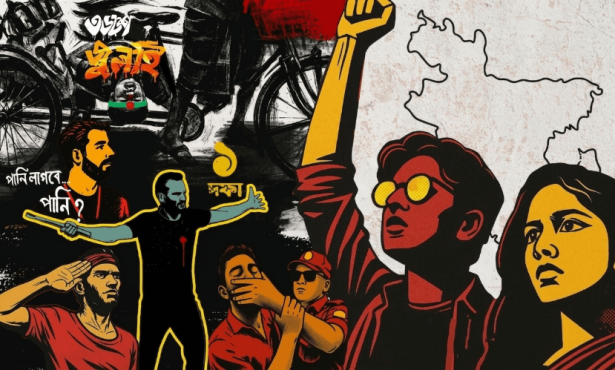
Bangladesh on Wednesday marked the second anniversary of the July-August 2024 mass uprising, remembering the movement that evolved from a quota reform protest into a nationwide campaign demanding political change amid one of the country’s largest internet shutdowns.
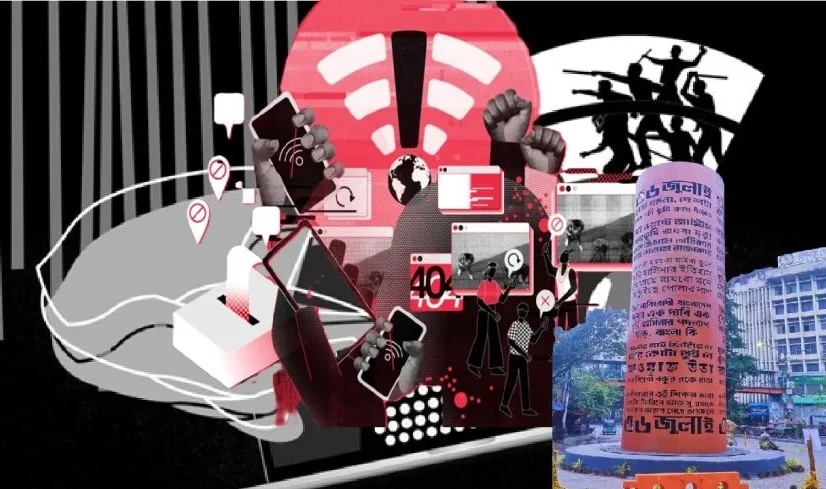
The movement began on July 1, 2024, but intensified after mobile internet services were suspended on July 17. From July 18 to 23, Bangladesh experienced a near-total digital blackout as both mobile and broadband internet services were disrupted, leaving the country largely cut off from the outside world. Limited broadband access resumed on July 24 with social media restrictions, while mobile internet was gradually restored before another shutdown on August 4. Full internet access returned at 1:15 pm on August 5.
Although authorities initially attributed the disruption to a fire at the Mohakhali data centre, subsequent investigations and testimony before the International Crimes Tribunal alleged that bandwidth was deliberately suspended through directives issued to International Internet Gateways (IIGs) and International Terrestrial Cable (ITC) operators. The testimony also alleged that VPN services were restricted during the blackout.
Despite the restrictions, protesters continued to share information through offline messaging applications, encrypted communication platforms and citizen journalism. Videos and images circulated widely after connectivity was restored, drawing international attention to the protests.
According to NetBlocks and the Internet Society (ISOC), the five-day nationwide internet shutdown caused estimated economic losses of around Tk 10 billion per day, severely affecting freelancers, outsourcing firms and online businesses.
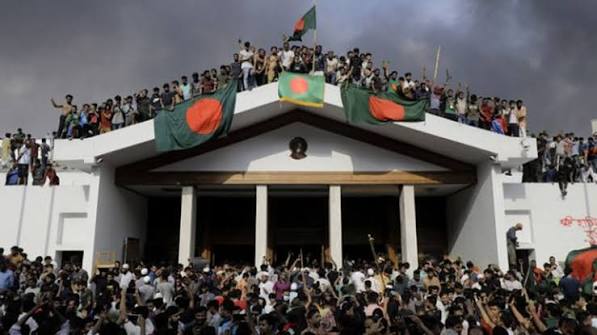
The demonstrations escalated after student leaders announced a one-point demand for the resignation of the then government on August 3. On August 5, thousands joined the “March to Dhaka” programme. According to the United Nations, about 1,400 people were killed and more than 20,000 were injured during the violence.
Following the political transition, the interim government introduced legal and policy reforms aimed at preventing future nationwide internet shutdowns, strengthening data protection and expanding internet infrastructure to safeguard uninterrupted access to digital communication.