Play store

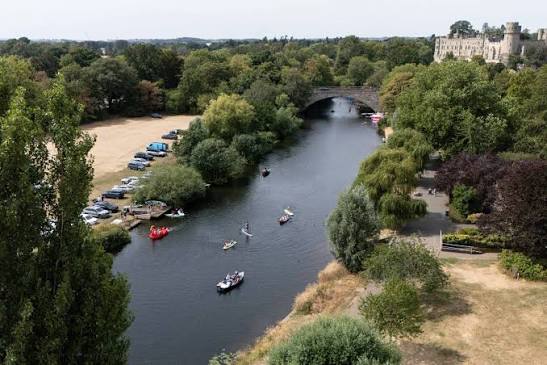
Every river, lake and estuary in England has failed to meet good chemical status, while only 14.3% of the country’s surface waters are rated in good ecological condition, according to the Environment Agency’s first comprehensive water quality assessment in six years.
The nationwide assessment found that all surface water bodies were contaminated with toxic chemicals, including mercury, PFOS—a type of PFAS or “forever chemical” linked to cancer—and PBDEs, formerly used as flame retardants. These persistent pollutants do not easily break down and continue to accumulate in the environment.
The report also highlighted poor ecological health across England’s waterways. While about 15% of rivers achieved good ecological status, fewer than 7% of lakes met the same standard. Excess phosphate from sewage discharges and agricultural runoff remains one of the biggest contributors to river pollution, with around half of rivers exceeding safe limits.
Under the Water Framework Directive, England is legally required to bring all water bodies to good chemical and ecological status by 2027. However, the Environment Agency said the widespread presence of long-lasting pollutants means the country is unlikely to achieve good chemical status until 2063, when these substances are expected to have degraded sufficiently.
The findings come despite a record £22 billion investment programme by water companies aimed at improving the environment by 2030. The Office for Environmental Protection has warned that the government is likely to miss its legally binding 2027 ecological targets by a considerable margin and is investigating both the government and the Environment Agency over possible regulatory failures.
Environment Secretary Angela Eagle said the figures underscored the need for sweeping reforms across the water sector and pointed to new legislation designed to strengthen accountability for water companies. Water UK, which represents the industry, said companies are making record investments to improve water quality, secure supplies and reduce sewage pollution.
The Environment Agency also warned that pollution from road runoff, petrol residues, pesticides, microplastics and other contaminants continues to place significant pressure on England’s rivers, lakes and coastal waters.