


 Play store

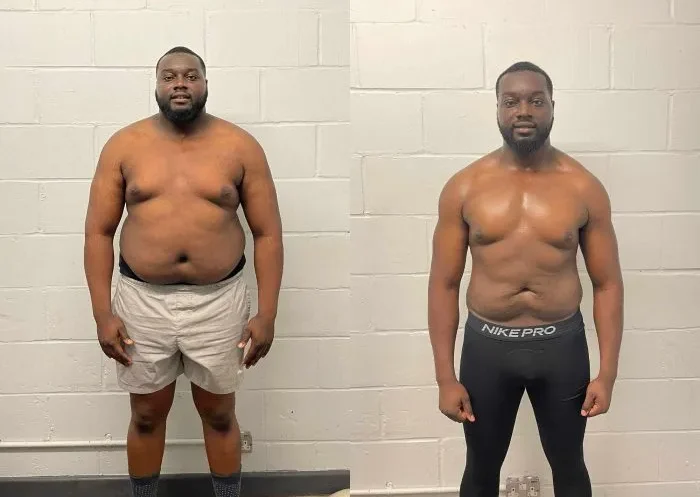
A new oral GLP-1 drug helped adults with obesity or overweight lose up to 12.1% of their body weight over 36 weeks, according to a randomized Phase II clinical trial published in Nature Medicine.
The drug, aleniglipron, is a small-molecule GLP-1 treatment taken once daily by mouth. Unlike widely used GLP-1 medicines such as semaglutide, marketed as Ozempic and Wegovy, it does not require injection.
Robert Kushner, MD, professor emeritus of Medicine in the Division of Endocrinology, Metabolism and Molecular Medicine, was among the study’s co-authors.
The trial involved 230 adults with obesity or overweight, with an average age of 50, at 38 medical centers across the United States. Participants were randomly assigned to receive daily doses of 45, 90 or 120 milligrams of aleniglipron, or a placebo, for 36 weeks.
The doses were increased every four weeks.
By the end of the study, average body-weight loss was 9.0% among participants receiving 45 mg, 10.7% among those taking 90 mg and 12.1% among those receiving 120 mg. The placebo group recorded an average weight reduction of just 0.5%.
GLP-1 medicines mimic the effects of the naturally occurring glucagon-like peptide-1 hormone. They can stimulate insulin secretion, reduce appetite and increase feelings of fullness, helping people lose weight.
Researchers said an oral small-molecule version could potentially overcome some limitations of injectable GLP-1 treatments, including the need for injections, refrigeration and complex manufacturing.
Gastrointestinal side effects were generally mild to moderate and became less frequent as treatment continued. Overall, 10.4% of participants discontinued treatment, and no cases of drug-induced liver injury were reported.
Kushner said the findings support further development of aleniglipron. A Phase III trial is planned, with slower dose escalation intended to improve tolerability.
The study was supported by Structure Therapeutics.