Play store

Ashraful Islam Joy
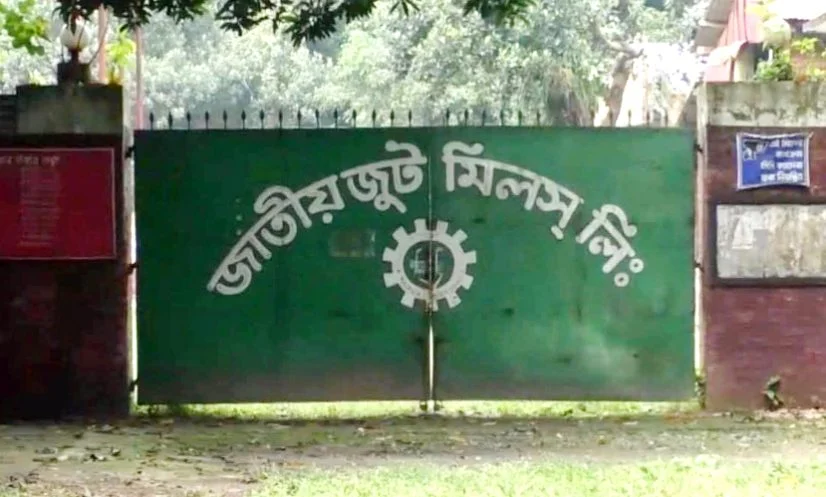
The premises of National Jute Mills Ltd in Sirajganj are set to get a new lease of life, with plans to establish factories for readymade garments, handicrafts, bags, footwear and toys, as well as facilities for storing raw materials, packaging materials and finished goods.
The leased site could create employment opportunities for around 5,000 people, according to sources familiar with the plan. Proposed production includes knitwear, woven garments, denim products, jackets, washing facilities, handicrafts, bags, footwear and toys.
While the plan has raised hopes of new jobs and economic activity, it has also triggered concern among local residents over the future of the mill’s historic identity. They question how the institution’s legacy as a jute mill can be preserved if jute and jute-based products are no longer produced there.
Sirajganj was once one of Bangladesh’s major centres of jute trade and industry. Its river, rail and road connectivity helped the growth of several jute-based industries, providing livelihoods for thousands of people. Over the years, the district became widely known as a “jute city”, with National Jute Mills becoming an important part of its economic and industrial heritage.
The government leased the mill, along with two other jute mills, to private companies on August 11. More than half of the long-shuttered mill’s premises has reportedly been leased to PRAN-RFL Group, one of Bangladesh’s largest industrial conglomerates.
Sirajganj district BNP President and former lawmaker Rumana Mahmud said the group had formally leased part of the mill. She said what products the company would manufacture was its own decision, but added that producing jute-based goods at the site would benefit workers and help preserve the mill’s identity.
The leasing decision has also drawn criticism from political and labour groups. Nabakumar Karmakar, convener of the Sirajganj district unit of the Socialist Party of Bangladesh (Basad), said they were disappointed because the mill should be reopened with jute-based production.
He said jute products are environmentally friendly and closely linked to Sirajganj’s industrial heritage.
Sirajganj Jamaat-e-Islami secretary Zahidul Islam said the issue should be considered comprehensively and that production at the site should have a connection with the mill’s heritage and the local economy. He called for the mill to remain under state ownership and focus on jute-based products.
Former workers also welcomed the prospect of the mill reopening but urged the authorities to retain its jute-related identity.
“We want the mill to reopen and create jobs,” worker Nasir Uddin said. “But we would be happier if jute products were manufactured here. Many former workers are still owed money, and settling those dues alongside restarting jute-based production would help restore their livelihoods and dignity.”
Another worker, Abdur Rahman, said many families had suffered because of the mill’s closure. He welcomed new employment opportunities but urged the authorities not to sever the historic link between the mill, jute and its workers.
Local residents believe the site has considerable potential for producing diversified jute products, including bags, sacks, ropes, carpets and household items. They argue that jute-based industries could benefit farmers, workers, traders and entrepreneurs while creating demand for an environmentally friendly natural fibre.
They have called for the existing infrastructure of National Jute Mills to be used alongside any new industrial initiatives to produce diversified jute goods. Such an approach, they believe, could help revive Sirajganj’s lost jute-industry heritage while creating jobs and expanding both domestic use and export opportunities for jute products.
For residents, the reopening of the long-closed mill should go beyond simply bringing a factory back into operation. They want the authorities and investors to consider the mill’s heritage, workers’ interests and Sirajganj’s identity as a “jute city” by ensuring that there is still a place for jute and jute-based production at the historic site.