


 Play store

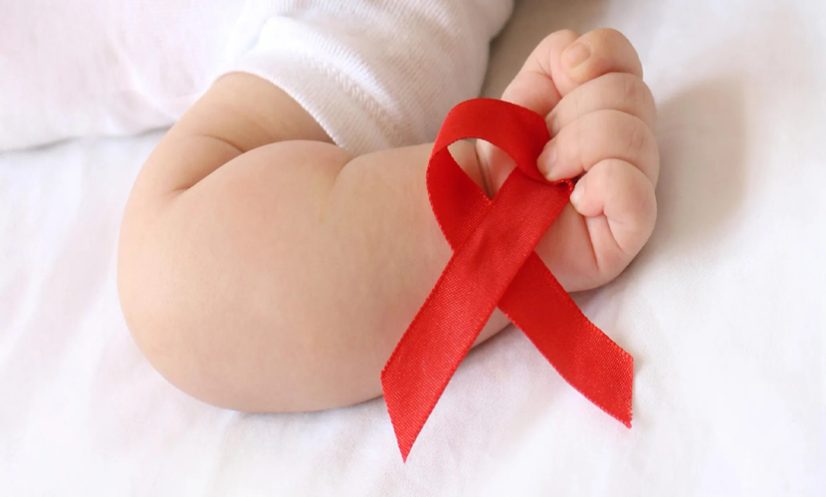
A combination of three HIV therapies administered shortly after exposure has completely cleared the virus in newborn nonhuman primates, a finding that researchers say could eventually lead to a one-time treatment for HIV-infected babies.
The study, led by researchers at Oregon Health & Science University (OHSU), found that newborn primates given the three-part treatment within three days of birth were able to permanently eliminate the virus.
The findings, published in Nature Microbiology, could offer a potential new approach to preventing newborns from requiring lifelong HIV treatment.
More than 120,000 babies acquire HIV globally each year. For people living with HIV, controlling the virus generally requires lifelong antiretroviral treatment, provided the medicines are available and affordable.
“The really exciting part is that it could go to clinical trials immediately to eliminate HIV infection in newborns,” said co-lead author Jonah Sacha, professor and chief of pathobiology and immunology at OHSU’s Oregon National Primate Research Center and Vaccine and Gene Therapy Institute.
He said the next step would be to determine whether the approach could also work in adults who have been recently exposed to HIV.
Three therapies used together
In the study, researchers administered three therapies for several weeks: broadly neutralising antibodies, standard antiretroviral therapy and an experimental monoclonal antibody called leronlimab.
Each of the approaches had previously been tested separately, but none had been shown to permanently clear the virus.
Leronlimab is designed to prevent HIV from entering immune cells by blocking CCR5, a surface protein used by the virus to infect cells. Sacha has been involved in its development for years.
Nancy Haigwood, a virologist and immunologist and a longtime OHSU colleague of Sacha, proposed combining leronlimab with existing HIV therapies to improve their effectiveness.
The new findings appeared to support that strategy.
“We were astounded and overjoyed, actually,” Haigwood said. “It’s a remarkable result.”
The research involved collaborators at the Oregon and California national primate research centres and used newborn nonhuman primates as models for HIV infection.
Human trials still needed
Antiretroviral therapy is already approved for use in humans, while broadly neutralising antibodies and leronlimab are being evaluated separately in clinical trials.
However, the three-part treatment cannot yet be considered a proven cure for human newborns. The approach must first undergo clinical testing to determine its safety and effectiveness in people.
Researchers expect the initial human studies would most likely involve adults who have recently been exposed to HIV before moving toward potential treatment of newborns.
If successful, the strategy could represent a major shift in HIV treatment by targeting the virus soon after infection and potentially eliminating it before it becomes permanently established in the body.