


 Play store

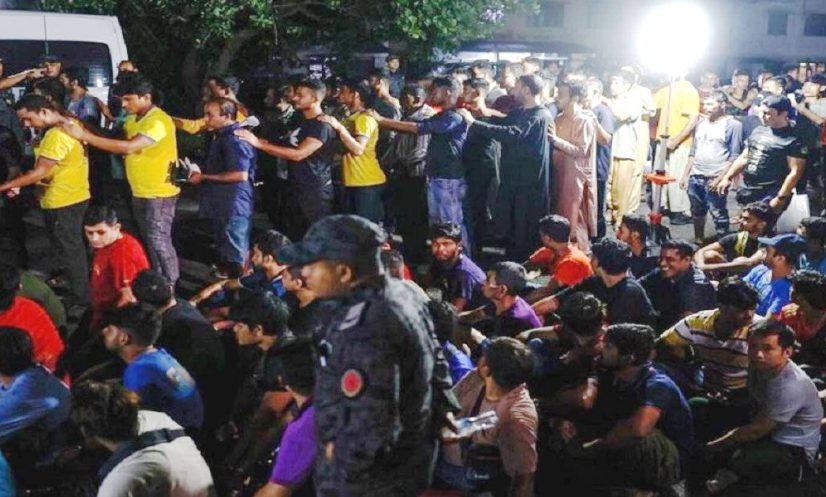
Ahmadul Kobir, Malaysia: Fear is spreading among Bangladeshi migrant workers in Malaysia as immigration authorities intensify nationwide enforcement operations, conducting raids at construction sites, factories, restaurants, business premises and residential areas. Thousands of foreign nationals have been detained over alleged immigration violations, raising concerns among workers who depend on their earnings to support families in Bangladesh.
For many Bangladeshis, working in Malaysia represents years of sacrifice, substantial recruitment expenses and debts incurred in the hope of securing a better future. Their monthly earnings help pay for food, education, healthcare and housing back home, while many also struggle to repay loans taken to finance their overseas employment.
The intensified crackdown has therefore created a climate of uncertainty among workers, particularly those whose visas, work permits or employment arrangements are in question. Even those who entered Malaysia legally may face enforcement action if they overstay their visas, work without proper authorisation or violate the conditions attached to their permits.
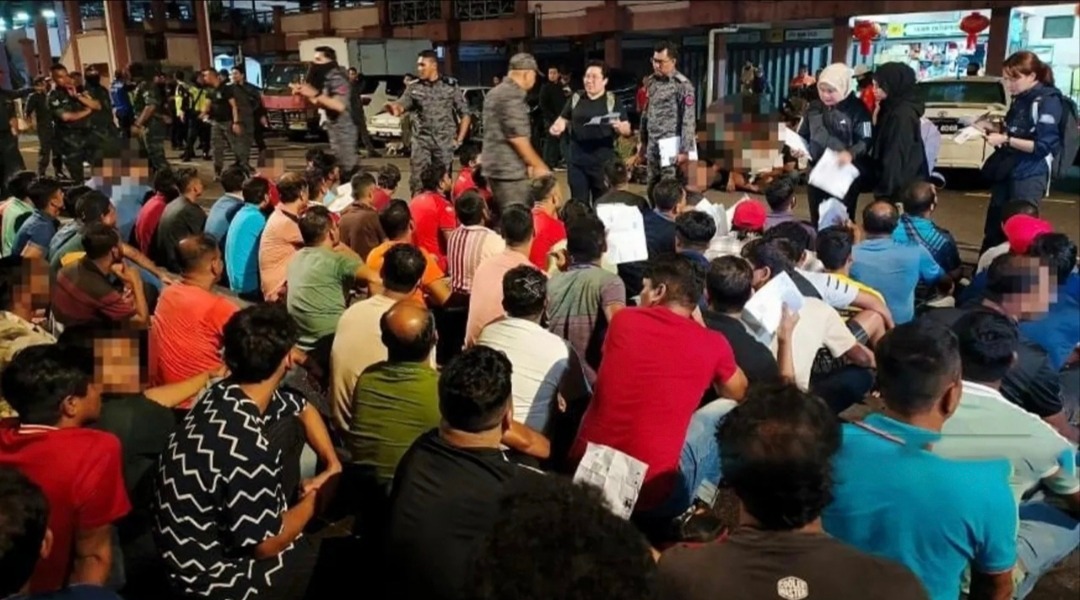
According to figures attributed to Malaysia’s Immigration Department, 65,699 undocumented migrants were detained in 11,110 enforcement operations nationwide between January 1 and October 16, 2026. During the same period, authorities checked the documents of 148,153 people and detained 1,966 employers over alleged immigration-related offences.
The department’s figures also show that 45,597 foreign nationals had been repatriated to their respective countries by September 30.
However, the overall statistics do not provide a complete nationality-based breakdown of those detained and deported. Although Bangladeshis have been among those affected by enforcement operations, the precise number of Bangladeshi workers detained or repatriated during the period remains unclear.
The scale of the enforcement drive was evident during the second week of October. Between October 12 and 16, immigration authorities reportedly conducted 252 operations, checked 4,907 people and detained 2,156 foreign nationals. Another 51 employers were also detained.
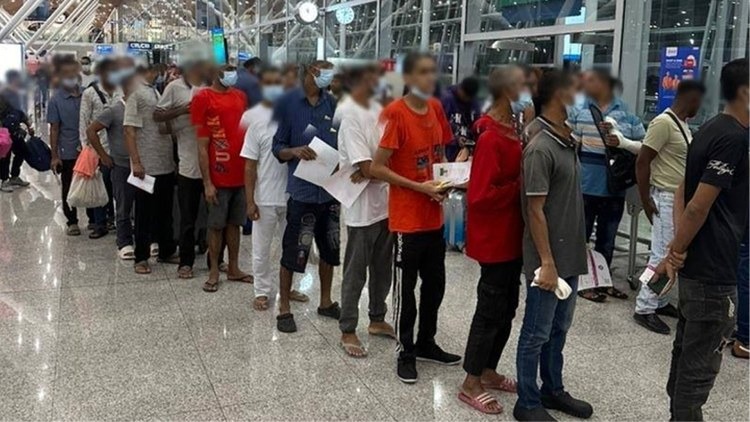
The operations form part of Malaysia’s continuing efforts to identify and act against people suspected of violating immigration laws, including those who lack valid documents, overstay their visas or misuse their permits.
Foreign nationals who enter Malaysia on social visit passes and subsequently work without valid employment authorisation may also face arrest. Similarly, workers who entered the country legally can become vulnerable to detention if their immigration status expires or they breach the conditions of their permits.
For Bangladeshi workers, the uncertainty is compounded by the difficulty of independently checking whether employers have completed the necessary documentation or renewed their permits on time.
Immigration enforcement, however, does not automatically mean that every person detained has committed the same offence. Each case depends on the individual’s documents, immigration status and the circumstances surrounding the alleged violation.
Recent operations have demonstrated that Bangladeshi nationals have been directly affected by the crackdown.
On September 13, an operation in the Lebuh Pudu area of Kuala Lumpur saw immigration authorities check approximately 2,500 foreign nationals and detain 472 people. Of those detained, 364 were Bangladeshis.
In another operation on October 8, authorities inspected 307 people in Seri Kembangan and Bandar Baru Klang in Selangor and detained 174 foreign nationals, including five Bangladeshis. Six local employers were also detained.
The operations highlight the reach of immigration enforcement across different locations and sectors. Construction sites, manufacturing facilities, agricultural workplaces, restaurants and commercial establishments have all come under scrutiny.
For migrant workers, the possibility of being caught in a raid has become an additional source of anxiety. Those who lack valid documents may face detention, prosecution and deportation, while the loss of employment can leave them unable to repay recruitment debts or meet financial commitments to their families.
Malaysia’s enforcement drive is not directed solely at foreign workers. Employers suspected of hiring undocumented migrants or breaching immigration regulations are also facing action.
The detention of 1,966 employers between January 1 and October 16, according to the figures cited, indicates that the authorities are pursuing businesses and individuals suspected of violating employment and immigration requirements.
Immigration Department statistics show that authorities collected RM41,257,750 in fines from employers for immigration violations between January 1 and September 30. A further RM37,123,420 was collected from foreign migrants during the same period.
Meanwhile, Malaysia’s Migrant Repatriation Programme 2.0 had recorded 312,146 registrations by September 30. The programme generated RM155,988,140 in fines and payments, according to the reported figures.
Registration, however, should not be confused with completed repatriation. The number of people registered under a programme, the payments collected and the number who have actually returned home are separate measures.
No verified breakdown was available at the time of writing showing how many Bangladeshis had registered under the programme or how many had completed their return to Bangladesh.
The distinction matters because aggregate figures can obscure the circumstances of individual migrant communities. Without detailed nationality-based data, it is difficult to establish the precise impact of the enforcement drive on Bangladeshi workers.
The growing number of detentions has also raised questions about the circumstances that leave some migrant workers without valid immigration status.
While some foreign nationals knowingly violate immigration rules, others may find themselves in irregular situations after being misled by recruitment agents, brokers or intermediaries. Workers can arrive expecting confirmed jobs and regular salaries, only to discover that the promised employment is unavailable or that their documentation has not been properly arranged.
In other cases, complications may arise when employers fail to renew work permits on time or workers cannot afford to return home after their legal status expires.
These circumstances should not be assumed to apply to every detained worker. Each case requires verification, and allegations of fraud or administrative negligence must be established through appropriate procedures.
Nevertheless, the role of recruitment networks and employers deserves closer scrutiny. Workers who pay substantial sums to secure overseas employment should not be left to bear the consequences if intermediaries make false promises or employers fail to meet their legal obligations.
Employers, too, have a responsibility to verify workers’ employment authorisation, ensure that permits remain valid and comply with the conditions under which foreign nationals are employed.
Unless action is taken against those who facilitate unlawful recruitment or employment, enforcement operations alone are unlikely to address all the underlying causes of irregular migration.
Bangladeshi nationals working in Malaysia are being urged to check the validity of their passports, visas and work permits regularly rather than relying exclusively on verbal assurances from employers or recruitment intermediaries.
Workers facing documentation problems should seek information directly from the Bangladesh High Commission in Kuala Lumpur and the relevant Malaysian authorities. They should be cautious about paying additional money to brokers who promise to resolve immigration problems without providing verifiable documentation or official confirmation.
Even those holding valid documents should ensure that their permits remain current and that their employment arrangements comply with the conditions of their authorisation.
Workers whose immigration status has become irregular should seek official guidance on their available options, including whether they qualify for a repatriation programme and what procedures and charges apply.
At the same time, authorities should verify the identities and documentation of detained individuals, follow due legal procedures and facilitate appropriate consular assistance. Accessible complaint mechanisms are also important for workers who believe they have been wrongly detained or harassed despite having valid documents.
A Bangladeshi expatriate community leader, who requested anonymity, said Bangladeshi workers made a significant contribution to Bangladesh’s economy through their remittances, which supported countless families across the country.
He said that when workers became victims of recruitment fraud, irregular employment arrangements or documentation problems, placing the entire burden of responsibility on them risked overlooking the wider causes of the problem.
He stressed the need to strengthen the verification of job offers, visas and work permits before workers leave Bangladesh, while taking effective action against fraudulent recruitment agents and ensuring timely legal and consular assistance for distressed migrants.
Closer coordination between the authorities of Bangladesh and Malaysia is also needed to promote lawful recruitment, improve information-sharing and protect workers from exploitation.
Malaysia has made clear that it will continue enforcing its immigration laws. The challenge is to ensure that enforcement is accompanied by proper verification, accountability and safeguards for people whose circumstances may differ considerably.
Workers who deliberately violate immigration rules must face the consequences prescribed by law. At the same time, those who have been deceived by intermediaries or placed in irregular situations through circumstances beyond their control need access to fair procedures and appropriate assistance.
For Bangladesh’s remittance warriors, the stakes extend far beyond the outcome of an immigration raid. Detention or deportation can disrupt years of financial planning, leave families struggling to repay debts and cut off a vital source of household income.
Protecting their safety, dignity and rights therefore requires more than raids and arrests. It calls for stronger oversight of recruitment, accountability for employers and intermediaries, reliable documentation and safer, transparent pathways for lawful overseas employment.