Play store

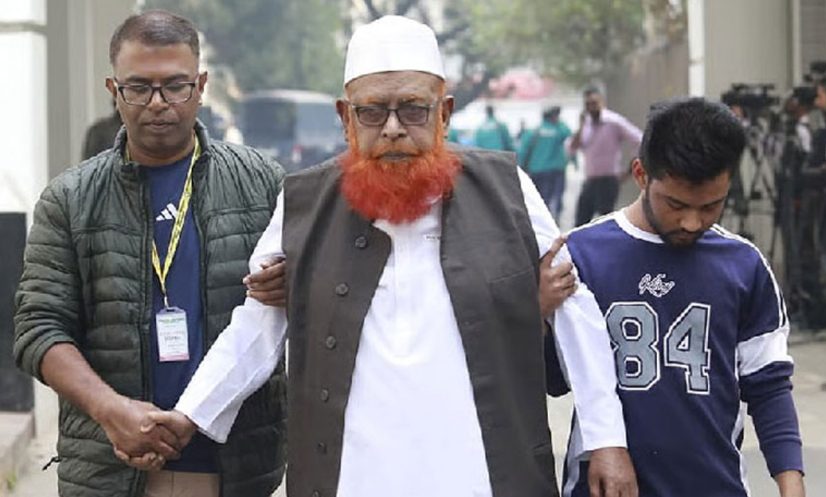
The Appellate Division has adjourned until August 31 the hearing on an appeal filed by Abul Kalam Azad challenging his death sentence in a case involving crimes against humanity committed during the 1971 Liberation War.
A three-member Appellate Division bench headed by Justice Md Rezaul Haque set the new date on Monday (August 17), after adjourning the hearing for the day.
Chief Prosecutor Aminul Islam said Azad had remained a fugitive for years before returning to Bangladesh after August 5 and submitting an application to the then government. Following the application, execution of his death sentence was stayed for one year. He subsequently filed the appeal challenging his conviction and sentence.
Azad recently sought an extension of the stay order, but the prosecution opposed the request.
Chief Prosecutor Aminul Islam argued that the appeal was legally time-barred under Section 21(3) of the International Crimes (Tribunals) Act, 1973, which allows an appeal to be filed within 30 days. He said Azad’s appeal was filed after an extraordinary delay and therefore was not maintainable under the law.
According to the appellant’s lawyers, Azad filed the appeal on July 6 this year, seeking condonation of a delay of 4,915 days. He also sought a stay on the execution of his death sentence until the appeal is disposed of.
The appeal first came before the Chamber Court of the Appellate Division before being placed before the regular bench. Senior lawyer Ehsan A Siddiqui and lawyer Mir Osman Bin Nasim appeared for Azad, while Chief Prosecutor Md Aminul Islam represented the prosecution.
The prosecution had previously sought an adjournment, saying the appellant’s side had not supplied copies of the case records, or “paperbook,” to the state. The Appellate Division had then adjourned the hearing until August 17.
The International Crimes Tribunal sentenced Abul Kalam Azad to death on January 21, 2013, for crimes against humanity committed during the 1971 Liberation War. He had been a fugitive before the verdict.
Following the political change after the July 2024 uprising, the Home Ministry issued a notification in October last year staying the execution of his death sentence for one year. Reports of his return to Bangladesh emerged before the order was issued.
On January 21 this year, 13 years after the death sentence was handed down, Azad appeared before the International Crimes Tribunal to surrender. The tribunal subsequently ordered that he be provided certified copies of relevant documents and remain in his existing status until the Appellate Division issued an appropriate order.
The trial against Azad was part of the war crimes proceedings initiated after the Awami League, whose activities are currently banned, came to power in 2009.
The tribunal brought eight charges of crimes against humanity against Azad. He was found guilty on seven of them. He received death sentences on three charges and prison terms on four others, although separate sentences were not imposed for the latter because of the death penalty.