


 Play store

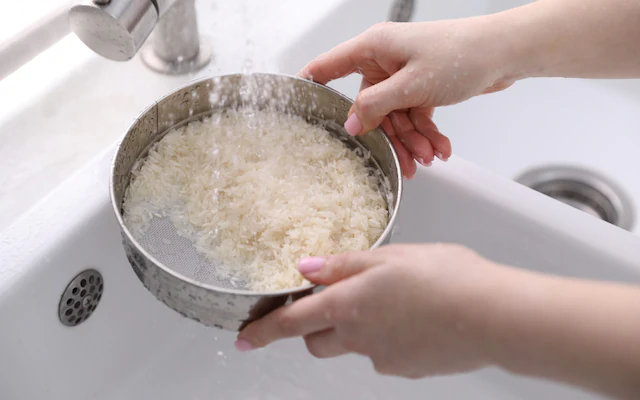
Advice urging Asian and Muslim communities in the UK to use less water when washing rice before cooking and performing wudu before prayers has sparked controversy as part of efforts to conserve water.
According to the British newspaper The Telegraph, the guidance was issued as part of a water-saving initiative involving Ofwat, the country’s water industry regulator.
The regulator has come under criticism over the initiative, with critics questioning the spending of large amounts of customers’ money on what they describe as an unusual project targeting minority communities.
According to The Telegraph, Ofwat funded a £270,000 research project aimed at encouraging South and East Asian communities to use less water when cooking and washing rice. Celebrity chef Ping Coombes was also involved in the campaign.
Muslims were also encouraged to use just one litre of water when performing wudu before prayers.
The UK’s water industry is already under pressure following extreme heat and drought conditions this summer. Hosepipe bans were previously imposed in several areas, while consumers have also expressed concern about the possibility of higher water bills as authorities seek to curb consumption.
The project, led by South Staffordshire Water, was part of a wider water-saving programme. It focused on what researchers described as a tendency among some immigrant communities to use excessive amounts of water when washing rice and other food items, and sought to encourage changes in those practices.
However, critics have questioned the rationale behind the project. They argue that water companies should instead focus on the more than one billion litres of water reportedly lost every day through infrastructure problems and leaks.
Mike Wood, a shadow minister for the opposition, said reducing water waste was a worthy goal but argued that the bigger problem was the waste of customers’ money.
“Families are already under huge pressure from water bills. They will not be happy to learn that their money is being spent on bizarre projects aimed at changing long-standing religious and cultural practices,” he said.
Ofwat launched its £600 million Water Innovation Fund in 2020 to support efforts to address the climate crisis. The fund is financed by customers in England and Wales.
Researchers found that households used an average of seven litres of water to wash rice before cooking, although one litre was sufficient.
Celebrity chef Ping Coombes, winner of MasterChef in 2014, was brought in to promote the findings. In a video published in 2024, she said washing rice five to seven times until the water becomes clear was a common practice, but added that she personally washed rice only twice.
Ofwat’s guidance also suggested using water left over from washing rice to water household plants.
Another part of the research examined water use during wudu. Leaving a tap running while performing wudu can consume between six and 12 litres of water. Muslims perform wudu at least five times a day before prayers.
To promote water conservation, some Muslim families near Cambridge Central Mosque were encouraged to perform wudu using just one litre of water, following the method traditionally attributed to the Prophet Muhammad (PBUH).
The research claimed that this could reduce water use by around 10 times. If the method were widely adopted, it could save up to 55 litres of water per person per day, according to the study.
The guidance was tested among some Muslim families in Cambridge, after which researchers recommended promoting the practice through Islamic television channels.
However, water companies were advised to communicate carefully with customers so that their messages did not imply that people of any particular religion were responsible for excessive water consumption.
A South Staffordshire Water spokesperson said saving water was an important part of managing water resources and that the company was raising awareness among its customers.
“Our engagement reflects the diverse demographics of the region,” the spokesperson said.
An Ofwat spokesperson said last summer’s prolonged dry weather was a reminder that water is a limited and valuable resource.
“We worked with a range of charities and faith groups to provide practical water-saving advice through this pilot project, which concluded in April 2025,” the spokesperson said.
The spokesperson added that the project did not tell anyone what they should or should not do and did not interfere with anyone’s religious worship or practices.