


 Play store

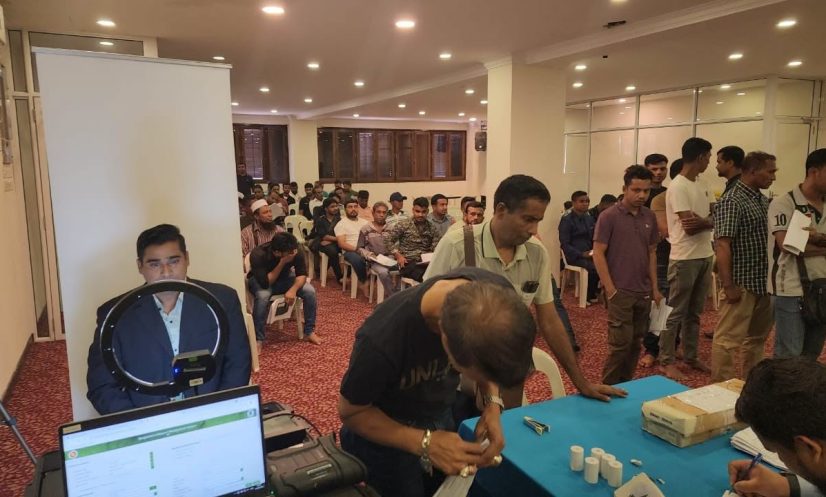
Ahmadul Kobir, Malaysia: More than 500 Bangladeshi expatriates received passport and other consular services during a two-day mobile camp organised by the Bangladesh High Commission in Kuala Lumpur in Penang, officials said.
The camp was held on August 22 and 23 at two locations—NBL Money Transfer and Liga Muslim Hall—to bring essential services closer to Bangladeshis living in Penang and nearby areas.
According to the High Commission, more than 500 expatriates accessed passport enrolment services during the programme, while over 100 passports were delivered. Officials also provided travel permits and other essential consular services to Bangladeshi nationals.
The outreach programme was aimed in particular at workers who find it difficult to travel to Kuala Lumpur because of demanding work schedules, long distances and the cost of transportation. Penang and the surrounding industrial areas are home to a large Bangladeshi expatriate community, many of whom work in factories, businesses and other industries.
By taking services directly to the community, the High Commission enabled expatriates to complete important documentation closer to their workplaces and residences. The arrangement also helped reduce the time and expense involved in travelling to the capital for routine consular needs.
In addition to processing passports and delivering documents, officials provided information and guidance on a range of consular matters. Expatriates received advice on passport validity, travel permits and other documents required for travel and legal residence.
The officials also urged Bangladeshi nationals to respect Malaysian laws, regulations and local customs. They placed particular emphasis on avoiding irregular or illegal immigration and maintaining valid personal, employment and residency documents.
The High Commission reminded workers that compliance with Malaysian immigration and employment rules is an individual responsibility. Officials also advised expatriates to avoid unlawful activities and to follow workplace and residential regulations.
The initiative was welcomed by expatriates and community representatives, who said travelling to Kuala Lumpur for consular services can be difficult because of work commitments. They said the Penang camp allowed them to obtain necessary services more conveniently and in less time.
Community representatives described the mobile camp as a practical service for people living and working outside the capital. They said the programme reduced disruption to workers’ schedules while helping them keep their official documents up to date.
The representatives expressed hope that the High Commission would expand the mobile consular programme to other parts of Malaysia. Wider coverage, they said, would allow more Bangladeshi nationals to access passport processing, travel permits and related services without travelling long distances.
Mobile consular camps have become an important link between Bangladesh’s diplomatic mission and the country’s expatriate community in Malaysia. For workers who cannot readily visit Kuala Lumpur, the camps provide a direct channel for documentation, information and assistance.
Officials and community representatives said the regular organisation of such programmes would strengthen communication between the High Commission and Bangladeshi nationals across Malaysia. They also said the initiative could help expatriates maintain legal residency and employment status while reducing the practical barriers to accessing government services.
The Penang camp therefore served both an administrative and a community function. It delivered immediate services—including passport enrolment and the distribution of more than 100 passports—while giving workers guidance on the documents and legal obligations associated with living in Malaysia.
For the expatriates who attended, the central benefit was convenience. Instead of travelling to Kuala Lumpur, they were able to access key consular services in the state where they live and work. The High Commission’s decision to hold the camp at two separate locations also brought the programme closer to different parts of the community.
The response from expatriates is likely to strengthen calls for similar outreach programmes in other Malaysian states. As Bangladesh’s overseas workforce continues to rely on diplomatic missions for passports, travel documents and consular guidance, mobile camps can help ensure that distance and work commitments do not prevent access to essential services.