Play store

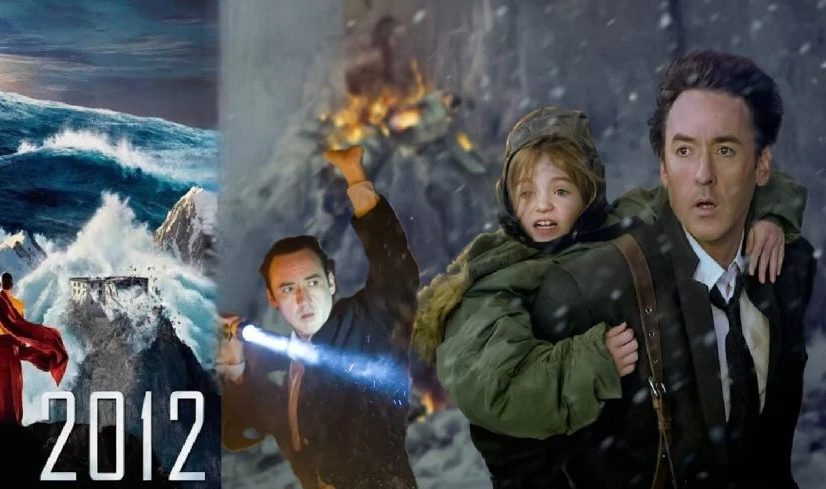
The devastating floods in Nepal have reignited global interest in the 2009 science-fiction blockbuster 2012, with clips from the film being widely shared on social media because of their apparent resemblance to the recent disaster.
Starring John Cusack, Amanda Peet and Chiwetel Ejiofor, 2012 famously depicted catastrophic floods engulfing the Himalayas. The striking visual similarities between scenes from the film and footage of the recent flooding in Nepal have sparked widespread discussion online.
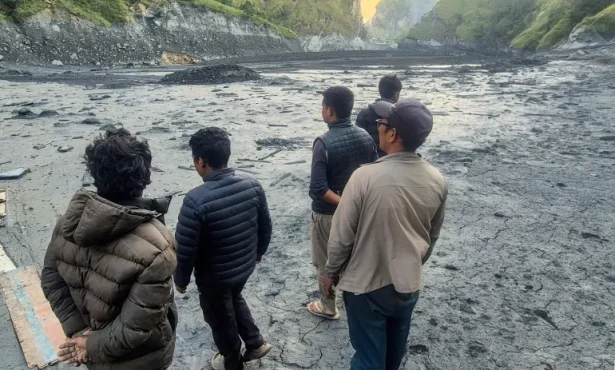
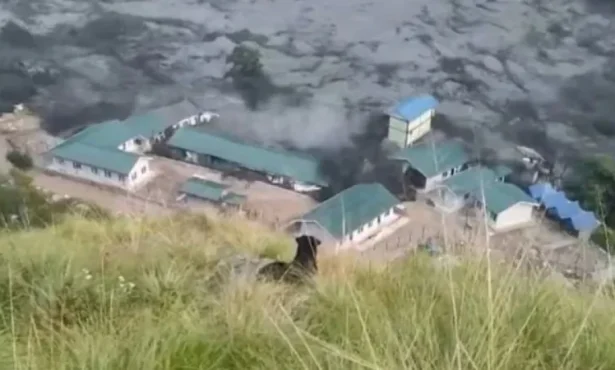
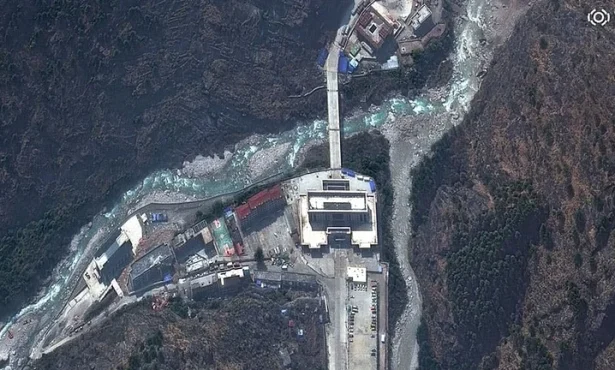
The latest disaster struck Rasuwa district, where flash floods swept through mountain settlements, destroying homes and infrastructure and leaving widespread devastation.
However, scientists say the similarities between science-fiction films and real-world disasters should not be viewed as predictions. Instead, filmmakers often build fictional scenarios around real scientific research and known environmental vulnerabilities.
In 2012, director Roland Emmerich imagined a global catastrophe caused by extreme geological and solar events, including massive waves inundating the Himalayas. Viral comparisons with footage from Nepal have prompted some social media users to suggest that the film had “predicted” the disaster.
Climate scientists, however, point to more concrete risks. Rising global temperatures, glacier melt and development in fragile mountain regions can increase the threat of events such as glacial lake outburst floods, landslides and flash floods.
Other science-fiction films have also explored environmental disasters.
The Day After Tomorrow (2004) portrayed extreme climate shifts and devastating storms, while Geostorm (2017) focused on climate-control technology and the dangers of manipulating Earth’s environment. Christopher Nolan’s Interstellar (2014) depicted a future threatened by severe ecological collapse and food shortages.
Experts say these films do not possess supernatural foresight. Rather, they extrapolate existing scientific theories, environmental trends and geographical risks into dramatic fictional scenarios.
The Nepal disaster has therefore turned the viral discussion around 2012 into a broader conversation about climate change, disaster preparedness and the need for sustainable development in environmentally fragile Himalayan regions.