Play store

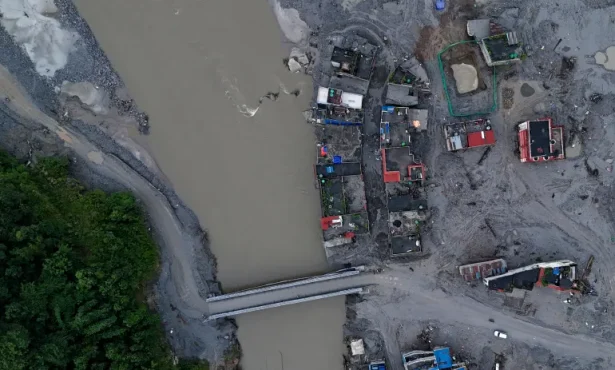
Families of people still missing after last month’s deadly floods along the China-Nepal border are facing a legal and administrative struggle as they try to mourn their loved ones and rebuild their lives.
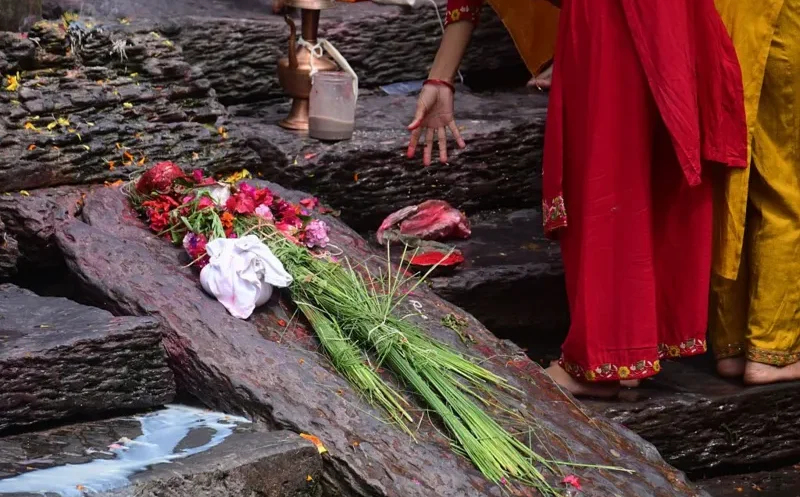
At Kathmandu’s Pashupatinath temple, on the banks of the Bagmati River, Madan Lal Lawat joined other families performing last rites for relatives whose bodies have not been recovered.
Under Hindu tradition, families can use symbolic effigies made from sacred kusha grass when a body cannot be found, allowing them to perform funeral rituals.
Lawat’s brother Mangal and four other relatives were swept away by the floods and remain missing. Lawat survived because he was driving a bus outside his village of Betrawati when the disaster struck.
He said survivors told him that Mangal died while going from house to house to warn residents to evacuate.
“I don’t know how to start over. Police say they’re still searching for the bodies, but I’m not sure they’ll ever be found,” Lawat said.
More than 5,000 people remain missing, according to the report, while authorities have ended rescue operations.
Although families believe their missing relatives are dead, Nepal’s legal framework creates a major obstacle. Under the country’s Civil Code, a missing person is generally presumed dead only after 12 years.
Section 40 of the Civil Code provides some exceptions, but it does not specifically address mass disasters such as last month’s floods.
As a result, families are struggling to obtain death certificates, which are needed to access government compensation and deal with property transfers and inheritance.
Families can receive up to 25,000 Nepali rupees for funeral expenses, along with 200,000 rupees in bereavement compensation for the first death in a family and 100,000 rupees for each additional death. But these payments require a death certificate.
Constitutional law expert Bipin Adhikari said the law was outdated in light of the scale and nature of the disaster.
He said the existing provision was originally designed largely for cases involving people who went abroad and remained out of contact for years.
For families such as Lawat’s, the uncertainty over the legal status of their relatives has added another burden to the devastation caused by the floods.