Play store

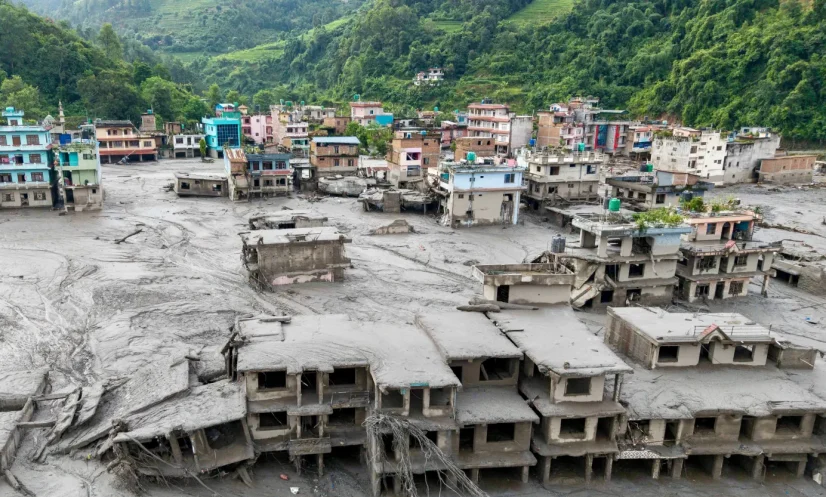
Nepal’s renowned adventure tourism industry is facing a major setback after devastating floods and landslides struck areas along the country’s border with China, raising fresh concerns about the impact of climate change on the Himalayan tourism sector.
The death toll from last week’s disaster stood at 987, while nearly 4,250 people remained missing, authorities said Tuesday.
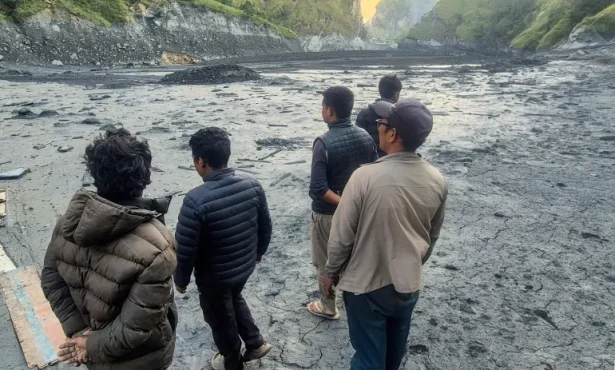
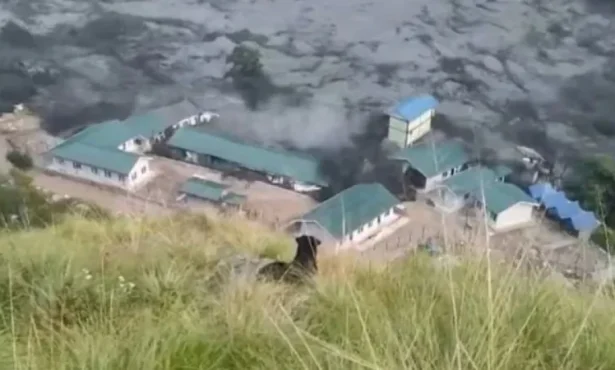
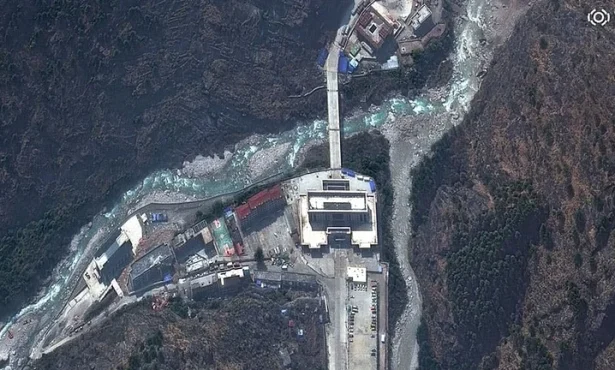
The catastrophe began on August 26 in the Himalayas when a massive glacial collapse in northern Nepal triggered a landslide of ice and rocks, sending large volumes of meltwater into valleys below. Powerful floods swept away or isolated communities and damaged roads, bridges and hydropower facilities.
Rajendra Bahadur Lama, general secretary of the Nepal Mountaineering Association, described the disaster as a “serious warning” for the country’s tourism industry.
“This disaster should not be seen as the end of Nepal’s adventure tourism; it should be a wake-up call,” Lama said. He stressed the need to build a tourism sector that is safer, smarter and more resilient to climate change.
According to Lama, tourism infrastructure, trekking routes and destinations will need to be reassessed and redesigned to withstand floods, landslides and other extreme weather events. He added that international tourists are becoming increasingly concerned about climate change and safety.
The disaster could have significant economic consequences for Nepal, where tourism is a major source of foreign exchange and government revenue. The country is a global destination for trekking, mountaineering and spiritual travel.
Nepal has reportedly estimated that rebuilding after the catastrophe could cost between $4 billion and $5 billion, equivalent to nearly one-tenth of its economy.
The impact is already being felt by tourism businesses. Saroj Bhandari, owner of the 122-bed Wander Thirst hostel in Kathmandu, said tourists had cancelled bookings in recent days, just before the country’s peak tourism season from September 15 to November 15.
He expects his hostel to reach only about 60% occupancy during the upcoming season, compared with full occupancy last year. Most cancellations have come from European tourists.
Bhandari said some visitors appeared to believe the entire country was unsafe because of the flooding, even though the disaster affected only a specific part of Nepal.
He also pointed to the government’s system of issuing daily warnings about floods and landslides and closing dangerous roads to protect tourists.
Meanwhile, China has said it is preparing a third batch of emergency aid for Nepal and will continue to support its neighbouring country as it responds to the disaster.
The crisis has intensified calls for Nepal to strengthen climate-resilient infrastructure and improve early-warning systems as climate change increasingly threatens the Himalayan region and its tourism-dependent economy.