


 Play store

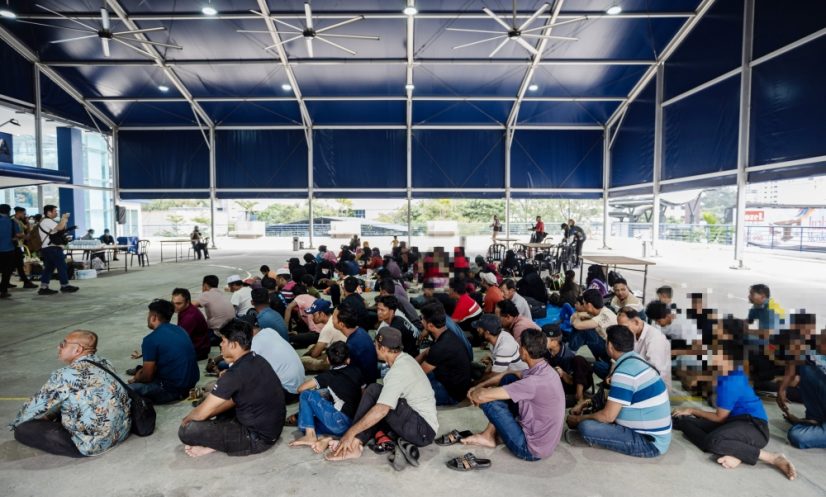
Ahmadul Kobir, Malaysia: Fresh concerns have emerged over Malaysia’s planned repatriation of Myanmar nationals, as the Myanmar government has pledged to ensure that those returning home will do so voluntarily, safely and with dignity.
Preparations are underway to repatriate nearly 1,500 Myanmar nationals from Malaysia by the end of September. However, the United Nations and human rights organisations have warned that the conditions required to ensure safe, dignified and sustainable returns, particularly for Rohingya refugees, do not yet exist.
In a statement issued on Thursday, Myanmar’s Ministry of Foreign Affairs said it was committed to working closely with Bangladesh and other friendly countries to facilitate the voluntary return of verified displaced persons in a safe and dignified manner.
The ministry said the security and dignity of those returning would be prioritised throughout the repatriation process.
In July, Malaysia announced that Myanmar had agreed to take back around 5,000 Rohingya. The two countries later said that an initial group of nearly 1,500 Myanmar nationals would be voluntarily repatriated by the end of September.
However, it remains unclear how many Rohingya will be included in the first phase of the planned returns.
Millions of Rohingya fled Myanmar following a brutal military crackdown in 2017 and sought refuge in neighbouring Bangladesh. The military campaign is at the centre of a genocide case against Myanmar before the International Court of Justice.
More than 1.2 million Rohingya are now living in refugee camps in Bangladesh, which together form the world’s largest refugee settlement. Although discussions on their repatriation have continued for years, there has been little tangible progress towards creating conditions that would allow them to return safely and voluntarily.
Malaysia is also home to around 126,000 Rohingya, alongside displaced Myanmar nationals from several other ethnic communities.
Myanmar’s longstanding position on the identity and rights of the Rohingya has added to concerns surrounding the planned repatriation.
In Thursday’s statement, the Ministry of Foreign Affairs again rejected the term “Rohingya”, claiming that it falsely asserts an ethnic identity that has never existed in Myanmar.
The ministry also criticised recent commemorations of Rohingya Genocide Remembrance Day in several countries.
Human rights organisations say Myanmar’s continued refusal to recognise the Rohingya identity raises fundamental questions about the safety and rights of Rohingya who may be returned.
Malaysian Communications Minister Fahmi Fadzil has previously said Malaysia would not repatriate any Myanmar national if there was a risk that the person could face persecution or threats to their life.
Rights monitors nevertheless fear that returning Rohingya to a country that denies their ethnic identity could expose them to renewed persecution and other human rights abuses.
A report by UN Secretary-General António Guterres released on Wednesday said that the conditions required for the voluntary, safe, dignified and sustainable return of Rohingya refugees “do not currently exist.”
The assessment has reinforced concerns among rights groups over whether returns from Malaysia can meet international standards, particularly if Rohingya refugees are included in the repatriation programme.
Another major concern involves Myanmar nationals currently being held in immigration detention centres in Malaysia.
Human rights groups have questioned whether detainees can make a genuinely free and informed decision to return while being held in detention.
They have warned that people in detention may face direct or indirect pressure to consent to repatriation.
Rights groups have therefore called on authorities to ensure, before any return takes place, that each individual has made the decision freely and voluntarily, that adequate security guarantees are in place and that their rights will be protected after their return.
The Myanmar government maintains that it is committed to facilitating the voluntary, safe and dignified return of verified displaced persons.
The UN’s latest assessment, however, presents a sharply different picture, indicating that the conditions necessary for such returns have yet to be established.
The first phase of repatriation from Malaysia, expected to begin in late September, will therefore be more than a test of diplomatic cooperation between Kuala Lumpur and Naypyidaw.
It will also be a major test of whether the safety, dignity and fundamental rights of people returning to Myanmar can genuinely be guaranteed.