Play store

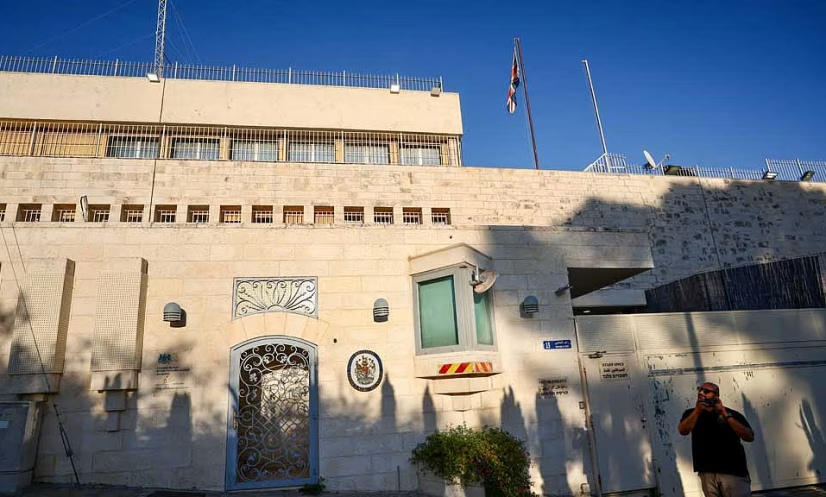
Israel has given Britain 30 days to close its consulate in East Jerusalem in response to a joint decision by the United Kingdom, France and Canada to ban imports of goods produced in Israeli settlements in the occupied West Bank.
Two Israeli diplomatic sources and officials familiar with the matter told Reuters on Wednesday that Britain had been given the one-month deadline.
The British Consulate in East Jerusalem has traditionally represented the UK government on Palestinian affairs in Jerusalem, the West Bank and Gaza.
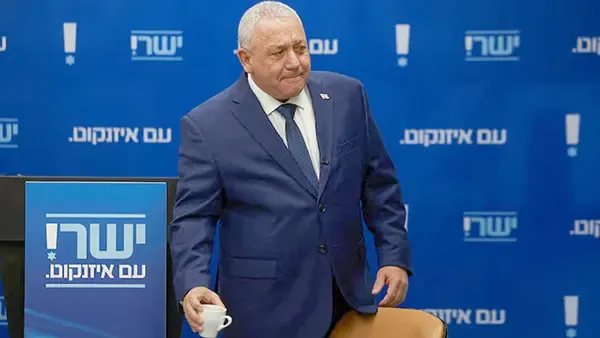
Israeli Foreign Minister Gideon Saar said on Tuesday that the consulate, which handles affairs related to the Palestinian Authority, would be shut down. Britain would also be excluded from a US-led joint coordination mission in Gaza, he said.
Saar also announced sanctions against former Labour Party leader Jeremy Corbyn and several other British officials and citizens, accusing them of anti-Israel activities.
Describing Britain’s measures as “morally distorted,” Saar said they amounted to “blatant interference” in the internal affairs and electoral process of a sovereign state.
He also called British Foreign Secretary Ed Miliband’s remarks about Israel’s alleged “ethnic cleansing” of Palestinians “abhorrent lies.”
Saar said the retaliatory measures were being taken in consultation with Prime Minister Benjamin Netanyahu ahead of elections expected at the end of October.
The UK, France and Canada announced the proposed trade restrictions on Tuesday as part of a series of measures against Israel’s settlement policy, highlighting growing diplomatic isolation for Israel among some of its traditional allies.
In a joint statement, British Prime Minister Andy Burnham, French President Emmanuel Macron and Canadian Prime Minister Mark Carney said their action marked “a new turning point” in efforts to protect the two-state solution.
They said the issue would also be raised with world leaders at the UN General Assembly later this month.
Foreign ministers from nine other countries, including Denmark, Norway, Poland, Spain and Sweden, separately reaffirmed their support for the establishment of an independent Palestinian state.
Miliband said Britain could no longer simply speak out against injustice and needed to take direct action to halt the expansion of illegal settlements.
Canadian Foreign Minister Anita Anand said on social media platform X that the expansion of settlements in the West Bank was seriously undermining prospects for lasting peace.
The United Nations and much of the international community regard Israeli settlements in the occupied West Bank as illegal under international law, a position rejected by Israel.
The measures come as Israel has announced plans to build another 1,000 homes in the West Bank, while concerns have grown over the E1 settlement project near Jerusalem, which critics say could divide territory intended for a future Palestinian state.
France cited the “frenzied expansion” of settlements and rising violence as key reasons for its action.
US Secretary of State Marco Rubio opposed the restrictions, warning that such measures could create further instability in the West Bank. Washington said it would not impose similar import restrictions.
Britain’s Chief Rabbi Sir Ephraim Mirvis described the UK government’s move as “a dark day for British Jews” and accused it of “performative politics,” saying it would only strengthen extremism.
Major products from West Bank settlements include dates, citrus fruits, herbs and wine. As these account for only a small fraction of Israel’s total exports, the trade restrictions are largely viewed as symbolic.
Relations between Britain and Israel have deteriorated sharply in recent years amid Israel’s war in Gaza and attacks by extremist Israeli settlers on Palestinians in the West Bank.
Britain recognised an independent Palestinian state in 2025, alongside several other countries, as part of efforts to advance a two-state solution.
Meanwhile, France has imposed the sanctions separately after Germany opposed joint European Union action against Israel, preventing the bloc from taking coordinated measures.