


 Play store

Newly released government records have shed fresh light on the toxic air that engulfed New York after the September 11, 2001 terrorist attacks, suggesting that officials knew about serious health risks while publicly reassuring residents that the air was safe.
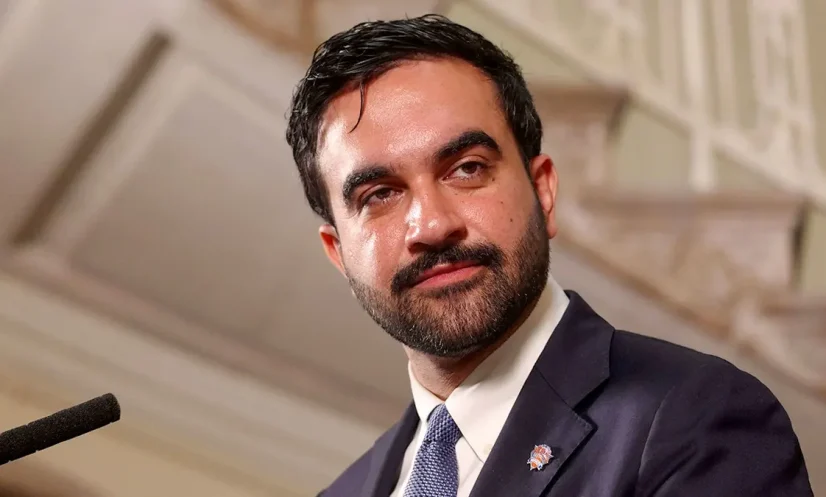
Ahead of the 25th anniversary of the attacks, New York City Mayor Zohran Mamdani on Tuesday released nearly 170,000 pages of previously unpublished documents detailing the health risks and the city administration’s response following the collapse of the World Trade Center’s Twin Towers.
Mamdani said the release was intended to provide long-awaited accountability for New Yorkers who had spent 25 years seeking answers about how authorities handled the unprecedented environmental and health crisis.
“If the government had stood with the victims and provided all the necessary support from the beginning, it would have been a different story,” Mamdani said, criticising the city and federal leadership of the time.
“But the reality was far from that,” he said, adding that people became sick because leaders they trusted had told them that breathing the toxic air was safe.
The documents include a confidential October 2001 memo sent to then-Deputy Mayor Robert Harding, known as the “Harding Memo”. It shows that city officials had anticipated at least 10,000 lawsuits against the city over toxic air and inadequate protective equipment.
Officials also considered seeking federal funds and compensation from the US government to address potential legal and financial liabilities.
Another memo from February 2002 shows officials were concerned that allegations by Manhattan Congressman Jerrold Nadler about dangerous levels of asbestos in the air could trigger widespread public outrage if made public.
Esther Fuchs, a special adviser to then-Mayor Rudy Giuliani, acknowledged in the documents that asbestos was present in the dust. Exposure to asbestos can cause serious lung disease and mesothelioma, a rare and often fatal cancer.
Fuchs also recommended that the city stop advising residents to clean their homes simply with wet rags, writing that authorities should at least stop telling people to wipe down their homes with wet cloths.
Following the collapse of the towers, huge clouds of toxic dust spread across Lower Manhattan, while fires continued to burn at the site for months. Thousands of police officers, firefighters and rescue workers worked around the clock, often without adequate protective equipment.
Residents and workers were also allowed to return to some damaged buildings in the surrounding area just weeks after the attacks, including One Liberty Plaza.
In the years that followed, many people who had lived, worked or responded at Ground Zero developed serious illnesses. Some suffered respiratory and digestive problems soon after exposure, while others were later diagnosed with life-threatening diseases, including cancer.
The documents were released after more than two decades of legal pressure from victims’ rights groups, including 9/11 Health Watch.
Mamdani blamed the previous four city administrations for allowing bureaucratic and legal obstacles to keep the information from the public and said millions more pages of records would be released over the next year.
“We have an obligation to every New Yorker to prove that ‘never forget’ is not simply an empty phrase,” he said.
Benjamin Chevat, executive director of 9/11 Health Watch, welcomed the release, alleging that successive city administrations had concealed the true dangers posed by toxic chemicals in Lower Manhattan and western Brooklyn from the public, Congress and the City Council.
He said officials had continued telling the public that the air was “safe and acceptable” even after learning about the dangers.
Comedian and victims’ rights advocate Jon Stewart also attended the news conference with Mamdani. He paid tribute to residents who continued fighting for access to information despite suffering serious illnesses.
“The information may not have prevented the harm to families,” Stewart said. “But those of us living in Manhattan should not have had to endure this much suffering to get the government to acknowledge that there was poison in the ground and in the air.”
“There is still a lot of work to be done,” he added.
According to the US Centers for Disease Control and Prevention (CDC), at least 400,000 people were exposed to toxic dust and chemicals following the attacks.
Data from the World Trade Center Health Program show that at least 4,343 people have died over the past 25 years from serious illnesses linked to toxic air and environmental exposure following the September 11 attacks.