


 Play store

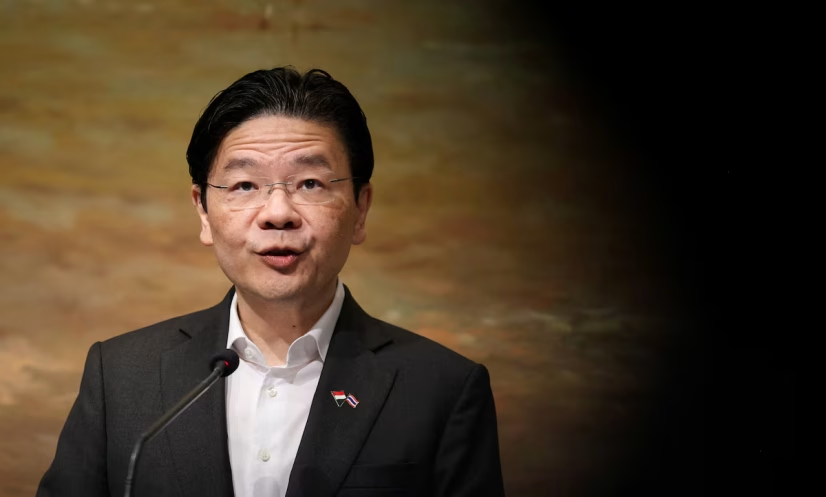
SINGAPORE, Sept 8: Singapore Prime Minister Lawrence Wong’s annual pay package will rise by 64% to S$3.6 million ($2.85 million) from October 15, as part of a broader increase in salaries for the country’s political office holders, Reuters reported.
The increase will raise Wong’s annual compensation from S$2.2 million, making him the world’s highest-paid political leader.
The government says the revised pay structure is intended to attract and retain capable people in public service and help maintain high standards of governance while reducing incentives for corruption.
The changes follow an independent review of political salaries. Junior ministers currently earning S$1.1 million annually could eventually receive up to S$1.8 million, depending on their performance and responsibilities.
However, they will not receive the full increase immediately; the initial adjustment will be capped at 9%, with further increases linked to performance.
Wong acknowledged that the issue of political salaries is sensitive, noting that the sums involved are far higher than what most Singaporeans earn.
Singapore’s median monthly wage was S$5,775 in 2025.
The prime minister said it would have been politically easier to leave salaries unchanged but argued that pay in the private sector, civil service and other public institutions has risen since the last major adjustment.
Wong also pledged to donate his salary increase to charity for the next five years.
Singapore last cut ministerial salaries in 2012, when ministers accepted a 36% reduction following public criticism.
A 2017 review recommended an increase, but the government did not implement it. A further review scheduled for 2023 was postponed amid economic uncertainty.
The revised salaries are due to be debated in Parliament. The government benchmarks political pay against the earnings of Singapore’s top 1,000 earners, a system it says helps ensure that public service remains competitive with the private sector.
Critics, however, have questioned whether the approach risks widening the gap between political leaders and ordinary citizens.