Play store

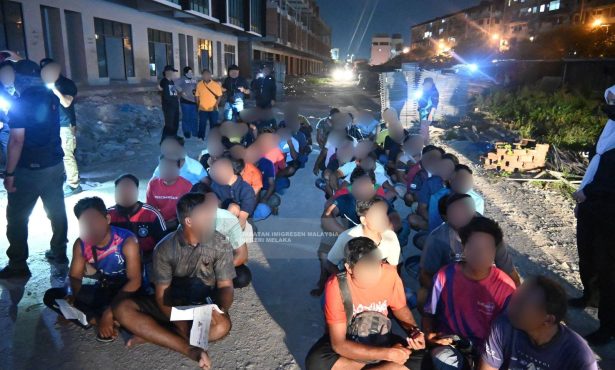
Ahmadul Kobir, Malaysia: Every year, millions of Bangladeshis travel abroad in search of better livelihoods and financial security for their families. However, not everyone sees their dreams fulfilled. Many Bangladeshi workers who arrived in Malaysia legally under the calling visa system have faced recruitment-related debts, unpaid wages, visa and immigration complications, and difficulties during the process of returning home.
Since the recruitment process began in 2022, the Bangladesh High Commission in Malaysia has received around 450 complaints from Bangladeshi workers over various issues, including unpaid wages, visa renewals and recruitment-related disputes.
According to the High Commission, more than 330 of these complaints have been resolved through mediation between employers and workers, with the cooperation of relevant Malaysian authorities and other stakeholders.
The complaints include delays or non-payment of wages, visa renewal problems, recruitment-related complications and employment disputes. Many workers incur substantial debts before coming to Malaysia to cover recruitment and migration expenses. When the promised jobs or wages do not materialise, the financial burden becomes even more difficult to bear.
Several Bangladeshi workers currently employed in Malaysia said that the job descriptions, wages and working conditions presented to them before departure often do not match the reality they encounter after arriving in the country. New workers are particularly vulnerable to such discrepancies.
One Bangladeshi worker said many workers initially do not know where to seek immediate assistance when they encounter problems with wages or employment conditions after arriving in Malaysia. The pressure of repaying loans, supporting families back home and maintaining valid immigration documents often forces workers to continue working despite unresolved problems.
Another worker said many disputes could be avoided if all employment terms were clearly documented and verifiable before departure. He also stressed the need for an effective mechanism through which workers can quickly lodge complaints over employer changes, unpaid wages or visa-related complications.
Community leaders in Malaysia also believe that preventing irregularities at the recruitment stage is more important than resolving problems after they emerge. They said the nature of the job, salary, workplace, accommodation, employer and other employment conditions should be properly verified before workers leave Bangladesh.
A Bangladeshi community leader said stronger coordination is needed among Bangladeshi recruiting agencies, Malaysian employers, government authorities and the Bangladesh High Commission to protect migrant workers. He stressed that efforts should focus not only on resolving complaints but also on preventing similar complaints from recurring.
Another community representative said stricter monitoring from the beginning could significantly reduce later disputes, particularly over excessive recruitment costs, discrepancies between promised and actual jobs, and unpaid wages.
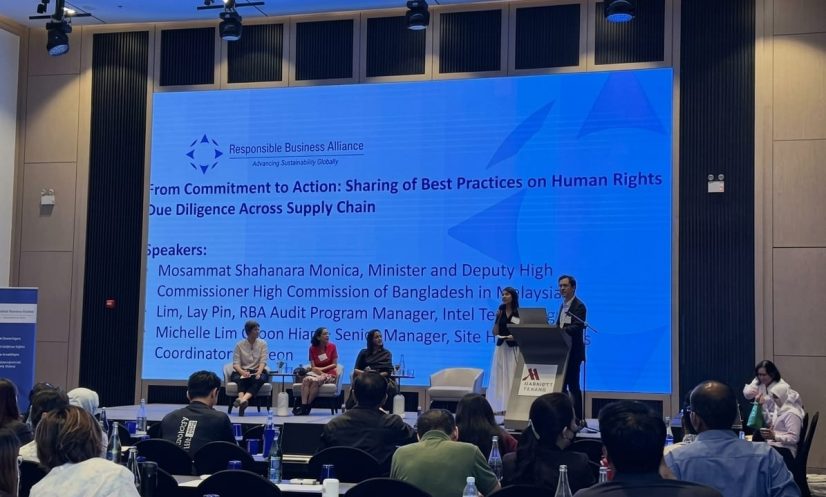
Meanwhile, on September 8, the Bangladesh High Commission highlighted various initiatives and best practices adopted by Bangladesh to protect migrant workers in Malaysia at a panel discussion organised by the Responsible Business Alliance (RBA) in Penang.
The discussion was titled “From Commitment to Action: Best Practices in Human Rights Due Diligence in Supply Chains.”
Deputy High Commissioner of Bangladesh to Malaysia Shahanara Monika highlighted the perspectives of migrant workers and the challenges they face during the panel discussion.
She said the High Commission is working to resolve complaints, ensure compensation and remedy, provide welfare assistance and facilitate the dignified return of workers by coordinating among workers, employers, relevant Malaysian authorities and other stakeholders.
According to the High Commission, resolving more than 330 of the approximately 450 complaints represents significant progress in addressing the grievances of Bangladeshi workers. However, stakeholders believe that complaints still awaiting resolution should be addressed promptly, while stronger preventive measures are needed to stop similar problems from recurring.
Community leaders said protecting workers’ rights should begin at the very first stage of recruitment rather than only after a complaint has been filed. Such measures would not only reduce workers’ financial losses but also strengthen the reputation and confidence of Bangladeshi workers in Malaysia’s labour market.
Bangladeshi workers, meanwhile, want greater consistency between the promises made before their departure and the actual employment conditions they encounter in Malaysia. They believe that when problems arise, a prompt, transparent and effective grievance mechanism remains one of the most important safeguards for migrant workers.