Play store

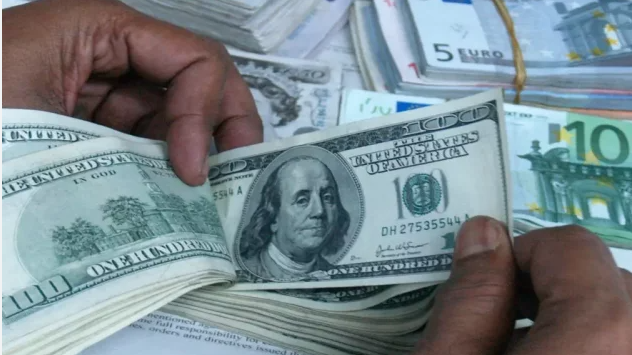
Bangladesh received a robust US $696 million in remittances during the first six days of the 2026-27 fiscal year, marking a sharp 62.8 percent increase from the same period a year earlier, as expatriate Bangladeshis continued to channel more money through formal banking systems.
According to the latest data released by Bangladesh Bank on Tuesday, expatriates sent home US$696 million between July 1 and July 6, compared with US$427 million during the corresponding period of FY2025-26.
On July 6 alone, inward remittances totalled US$129 million, maintaining the strong momentum that has helped bolster the country’s external sector in recent months.
The central bank also reported that Bangladesh’s gross foreign exchange reserves stood at US$37.85 billion as of July 6.
Under the International Monetary Fund’s Balance of Payments and International Investment Position Manual (BPM6) methodology, the country’s usable foreign exchange reserves were US$33.20 billion.
The strong inflow comes after a record performance in the previous fiscal year, when Bangladeshi migrant workers remitted US$35.34 billion through official banking channels, the highest annual remittance inflow in the country’s history.
Economists say sustained remittance growth, coupled with a stable reserve position, will help ease pressure on the country’s external accounts by supporting foreign exchange liquidity, strengthening the balance of payments and financing import payments.
Bangladesh Bank officials attributed the continued rise in remittance inflows to policy measures encouraging the use of formal banking channels, improved digital transfer services and the growing confidence of overseas workers in the country’s banking system.
The healthy inflow of remittances is expected to provide further support to Bangladesh’s macroeconomic stability at a time when the global economy continues to face uncertainty and external financial pressures.