


 Play store

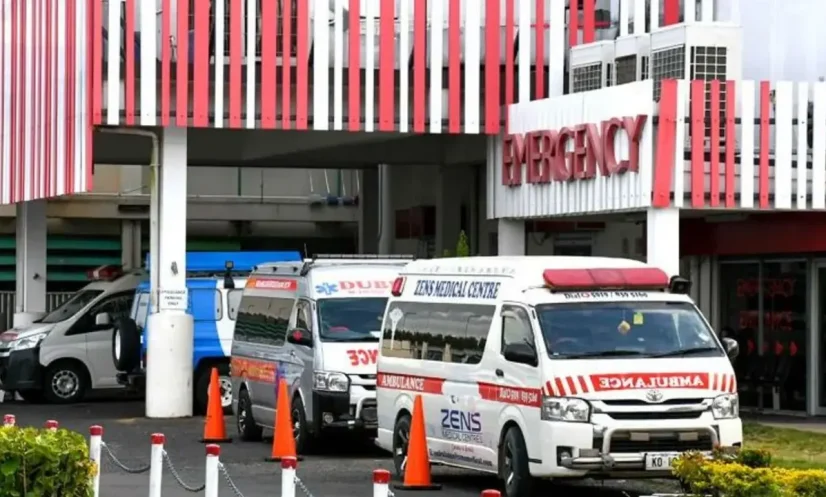
Fiji has declared a national emergency over a rapid rise in HIV infections, with the government moving to expand testing, treatment and prevention services.
In the Pacific island nation of fewer than one million people, about one in every 60 adults is now living with HIV, up from one in 167 five years ago.
New HIV infections are also contributing to a rise in newborn deaths. Health Minister Antonio Lalabalavu said 2,016 new HIV cases were recorded in Fiji in 2025 alone.
He said the situation had reached a point where routine disease-control measures were no longer enough and large-scale emergency action was needed.
Health experts and civil society organisations have linked the rise to drug use, unsafe sex and the sharing of needles. A high-risk drug-use practice known locally as “Bluetoothing” or “hotspotting” is also contributing to the spread, involving the injection of blood from a previous drug user.
Needle sharing is a particular concern because syringes are not readily available in Fiji. The government plans to introduce a free needle and syringe programme, with the health minister saying sufficient supplies are already in stock. Legal changes are required before the programme can begin.
Lalabalavu urged people to come forward for HIV testing, stressing that people living with HIV should not face shame, threats or social exclusion.
According to UNAIDS, about 9,100 people were living with HIV in Fiji in 2025, but only 39% knew their status and just 22% were receiving treatment. The global average treatment coverage was about 78%.
Jason Mitchell, head of Fiji’s National HIV Taskforce, said it could take more than five years to bring the situation under control, describing the response as a long-term effort.
He said the surge in HIV cases was also putting additional pressure on the healthcare system, with many patients being hospitalised who could potentially have avoided admission if they had received regular treatment.
UNAIDS welcomed Fiji’s declaration of a national emergency. Executive Director Winnie Byanyima said the move underscored the seriousness of the situation and the need for urgent action across government and society.
She warned that HIV transmission patterns can change rapidly and said health and social-support systems need to remain prepared to respond to emerging emergencies.
Source: BBC