


 Play store

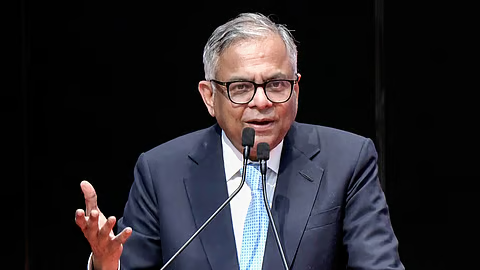
The board of Tata Sons has approved the reappointment of N Chandrasekaran as executive chairman for another five-year term, reversing his decision last month not to seek a further term. The decision was taken at a board meeting in Mumbai on Thursday.
Chandrasekaran, 63, has served as chairman of Tata Sons since 2017 and was reappointed in 2022. His current term is due to expire on February 20, 2027. His fresh five-year term would potentially keep him at the helm until 2032.
The decision comes after an unexpected reversal in leadership plans. In August, Chandrasekaran had informed Tata Sons that he would not offer himself for reappointment when his existing term ended. Tata Trusts, which owns 66% of Tata Sons, had subsequently begun preparations to establish a selection committee for choosing a successor.
The reappointment comes at a challenging time for the conglomerate. Tata Group is dealing with mounting losses at Air India, a sharp downturn at Jaguar Land Rover and the fallout from a data breach affecting clients including Apple and Tesla, according to Reuters.
The leadership decision has also unfolded amid differences between Chandrasekaran and Tata Trusts over several strategic issues, including the future of Tata Sons and its potential stock-market listing. Reuters reported that Tata Trusts Chairman Noel Tata opposed Chandrasekaran’s reappointment and is likely to challenge the decision.
Another major issue facing Tata Sons is regulatory pressure from the Reserve Bank of India. The RBI recently rejected the company’s request to be exempted from regulations requiring certain upper-layer non-banking financial companies to list. Tata Sons had sought to avoid the listing requirement by repaying external debt and applying to surrender its core investment company registration, but the RBI rejected the request.
The latest board decision therefore leaves Chandrasekaran in charge as Tata Group navigates leadership succession, regulatory requirements, financial pressures and strategic disagreements within its controlling shareholder structure.