Play store

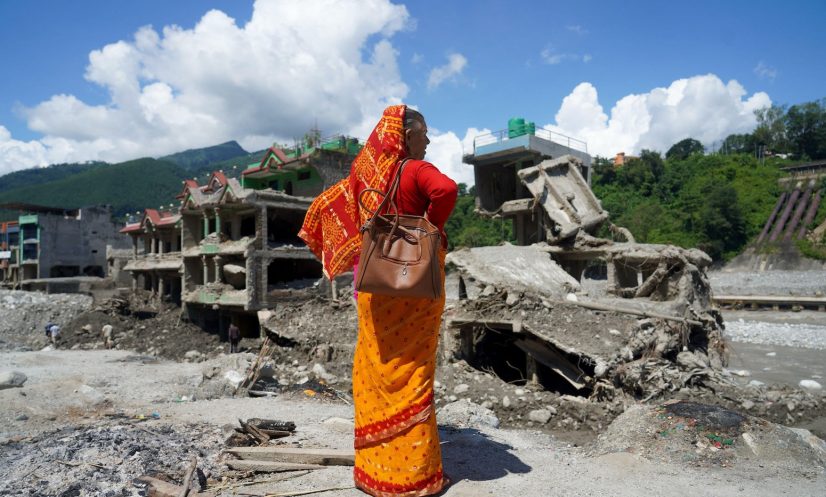
Nepal has estimated $2.7 billion in physical damage and economic losses from devastating floods in late August, while its $20 million request from the UN loss-and-damage fund would cover only 0.7% of the losses.
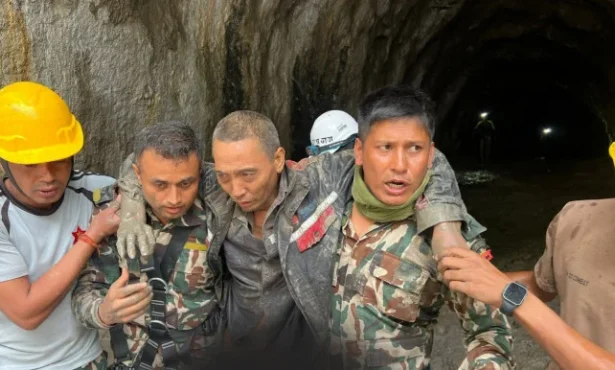
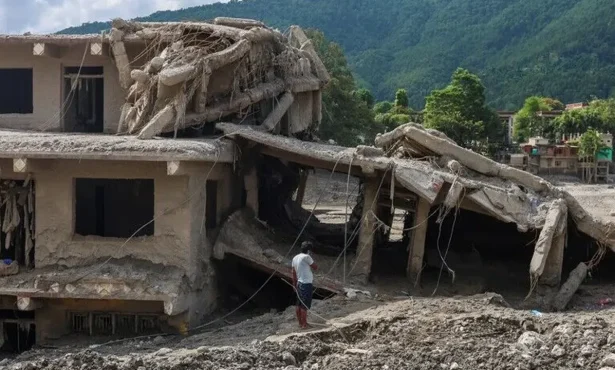
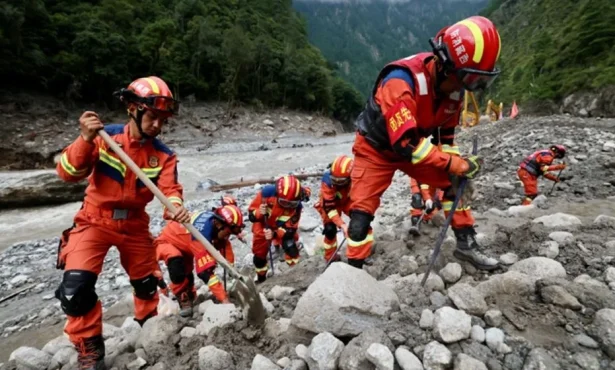
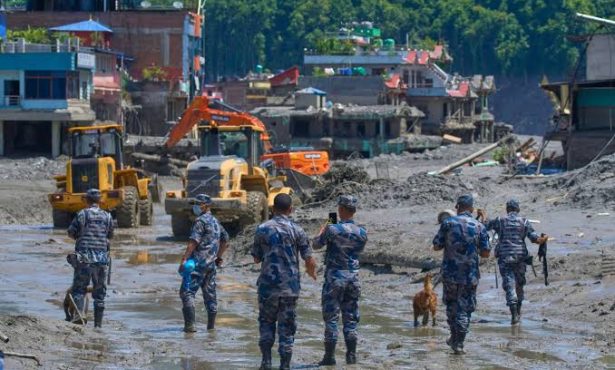
The floods, triggered by heavy rainfall following a catastrophic rock-ice avalanche in the Himalayan border region on August 26, have killed more than 1,400 people, with thousands still missing.
Nepal’s National Disaster Risk Reduction and Management Authority has released a preliminary assessment of the damage and recovery needs from the disaster.
The assessment puts total physical damage and economic losses at $2.7 billion. A further $4.8 billion would be needed for recovery and reconstruction.
Against the combined figure, Nepal’s $20 million request to the UN Fund for Responding to Loss and Damage would cover only about 0.3% of its estimated needs.
Nepal sought an urgent response from the fund days after the floods before formally requesting the $20 million in financial assistance.
The amount is currently the maximum that can be requested for a single project.
Nepal’s climate negotiator Raju Pandit Chhetri told Carbon Brief that the request was intended for a “rapid response” rather than reconstruction.
“That money is going to be a peanut if it was to be invested into reconstruction,” he said.
The loss-and-damage fund was established in 2023 to help developing countries deal with serious and, in many cases, irreversible impacts associated with climate change.
Developing countries have long called for financial support from wealthier nations to address climate-related losses, arguing that vulnerable countries often face severe impacts despite contributing relatively little to global emissions.
From December 2025 to July 2026, developing countries submitted 176 applications to the fund seeking more than $2.8 billion in assistance for disasters including floods, droughts and storms.
By comparison, predominantly developed countries have pledged about $822 million to the fund. Some countries not classified as developed under the UN, including the UAE and South Korea, have also made contributions.
Requests from developing countries are therefore more than three times the amount pledged.
Only around half of the pledged money has so far been paid into the fund, with substantial contributions from France, Italy and the UAE still outstanding.
The fund made $342 million available during its first funding round in July 2026. However, as of September, no money had been distributed to countries affected by climate-related disasters.
The funding gap has raised concerns about whether the UN mechanism will have sufficient resources to respond to the growing needs of climate-vulnerable developing countries.