Play store

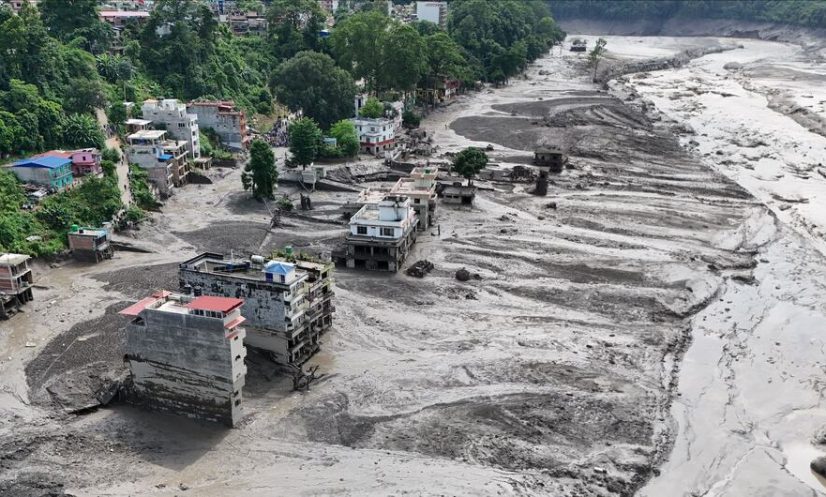
The devastating floods that hit Nepal in August are threatening jobs and livelihoods far beyond the areas directly affected, with damage to transport, electricity and trade infrastructure disrupting economic activity, the International Labour Organization (ILO) said.
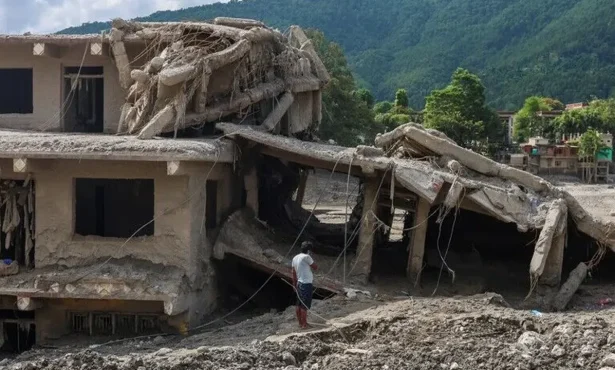
A preliminary ILO assessment published on October 1 estimated that around 21,400 employed people live within four kilometres of the mapped flood footprint. The agency said the destruction of homes, workplaces, roads, bridges and energy infrastructure has made it harder for workers to reach jobs, markets and essential services.
“The employment consequences of this disaster will not stop at the edge of the flooded area,” said Numan Özcan, ILO Country Director for Nepal.
“Damage to transport links, electricity infrastructure and trade routes can carry the shock through supply chains, markets and connected services, affecting workers and enterprises much farther away,” he said.
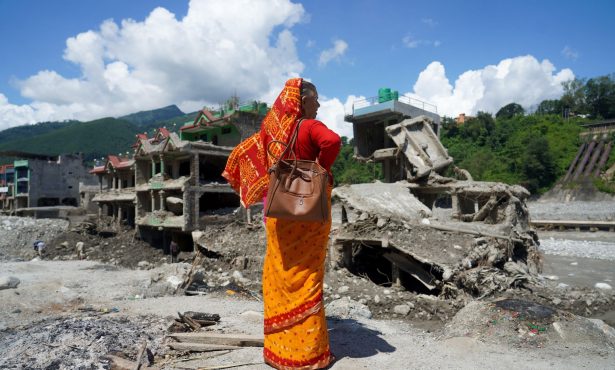
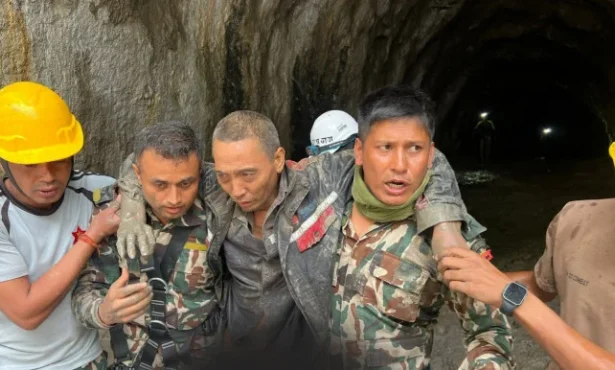
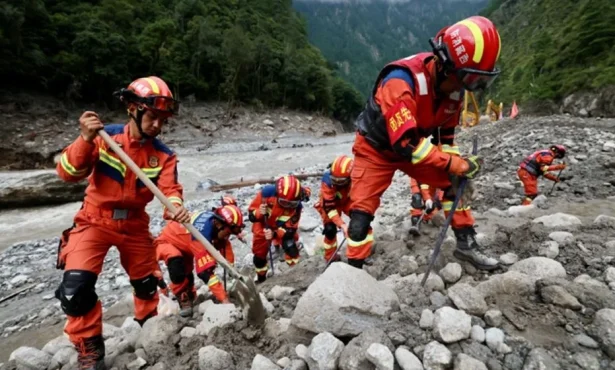
The flash floods swept through the Bhote Koshi-Trishuli corridor from the Nepal-China border on August 26, causing major loss of life and extensive economic damage.
Tourism, agriculture, transport and micro and small businesses are among the sectors facing significant pressure. Guides, porters, hotel and restaurant workers, transport operators and agricultural workers could face lower incomes, work interruptions and difficulties accessing customers, supplies and markets.
Informal workers are particularly vulnerable because many have limited savings and little social protection. Daily-wage and casual workers, self-employed people and owners of micro and home-based businesses could lose income quickly when economic activity is disrupted.
The floods have also damaged the Nepal-China trade corridor. The Rasuwa and Tatopani crossings accounted for about 22 percent of Nepal’s imports from China in 2025-26. Rasuwa also handled nearly half of Nepal’s exports to China, according to the ILO.
The ILO recommended immediate income and business support, employment-intensive reconstruction, job matching and skills development, stronger social protection and measures to improve workplace safety.
It said reconstruction could help restore livelihoods while creating decent jobs and strengthening Nepal’s resilience to future disasters.