


 Play store

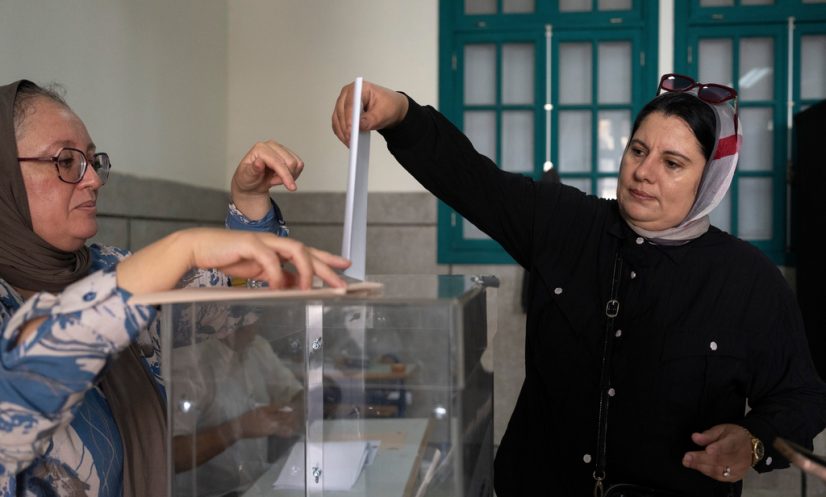
RABAT: Moroccan voters are choosing a new parliament on Wednesday in an election shaped by growing frustration among young people, high unemployment despite a thriving economy, and demands for better schools, hospitals and housing.
Polling centres across the North African kingdom opened at 8am and will remain open until 7pm local time, allowing nearly 16 million registered voters to cast ballots for the 395-seat House of Representatives.
The election is the first since deadly youth-led protests nearly a year ago and a mass attempt by migrants to cross Morocco’s northern border into the Spanish territory of Ceuta, which left dozens dead.
The vote will determine the next prime minister and the composition of the government, which will operate alongside a powerful monarchy that retains broad authority over strategic affairs. Results are expected on Thursday.
The next government will oversee billions of dollars in investment as Morocco prepares to co-host the 2030 FIFA World Cup, prompting some to describe it as the “World Cup government”. The new political leadership will also face pressure to address everyday concerns, including jobs, wages and the cost of living.
For many young Moroccans, the election comes amid growing doubts about whether political participation can improve their daily lives. Some have turned to street protests, while others have considered leaving the country or staying away from the ballot box.
Voters are choosing among 7,288 candidates from 27 political parties.
Under Morocco’s Constitution, the king appoints the head of government from the party that wins the most seats in legislative elections. Since no single party is expected to secure an absolute majority, the winner will need to negotiate with other parties to form a governing coalition.
Some groups, including the far-left Democratic Path party, have called for a boycott of the election, saying it “lacks the minimum conditions of democracy”. The banned but tolerated Islamist association Al-Adl Wal Ihsane has made similar claims.
The Constitution recognises the right of Moroccans living abroad to vote, but there is no postal voting or ballot boxes at Moroccan consulates. Instead, they must travel to Morocco to vote or authorise a registered family member or acquaintance to vote on their behalf.
The number of registered voters has declined by 9.7 percent since the 2021 election, even as Morocco’s population has grown, and analysts expect turnout to be low.
As polling stations opened in Casablanca and Rabat, voters of various ages formed small but continuous queues to cast their ballots despite Wednesday being a working day.
Jamal Aamar, a 63-year-old retired banker, came to vote for the Federation of the Democratic Left, a left-wing coalition. Aamar said participating in the election allowed his voice to be heard.
“If you boycott, you will leave others an empty seat,” he said.