Play store

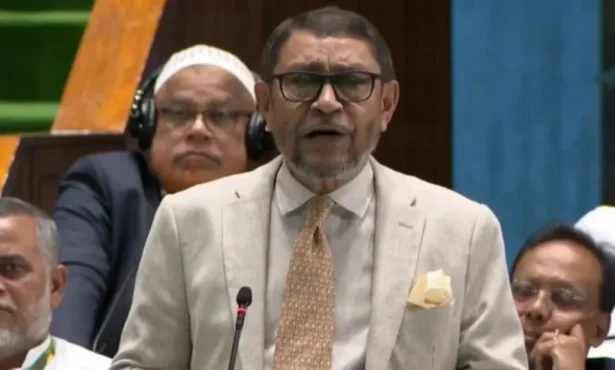
Health Minister Sardar Md Sakhawat Hossain has said that 18.5 million children have so far received measles-rubella vaccines under the nationwide immunisation programme.
He made the disclosure on Saturday while inaugurating the Special Measles-Rubella Vaccination Campaign 2026 across the country.
The minister said the government launched the vaccination drive on April 5 after a prolonged gap in the programme. Initially, the campaign was conducted in 18 districts in three phases designated by UNICEF, before being expanded to Dhaka and two other major city corporations. The nationwide campaign was brought forward to April 20.
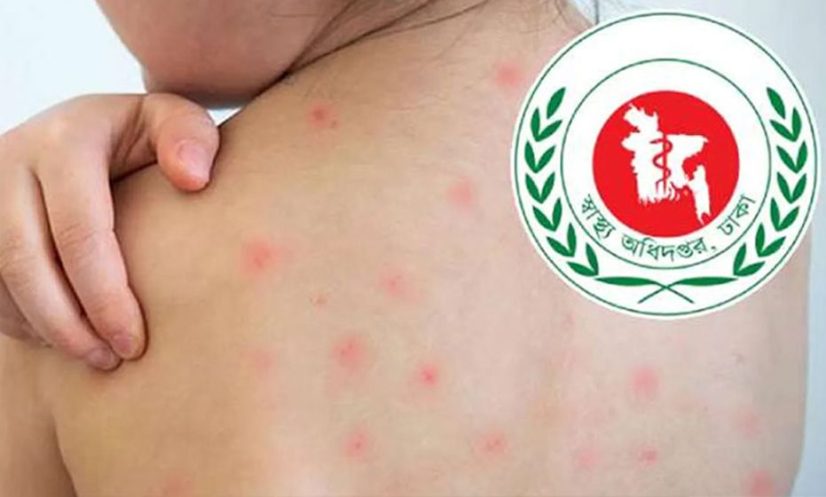
According to the minister, nearly 1,000 children died among those affected during the period, which he described as deeply tragic.
He said measles poses a particular risk in densely populated Bangladesh because of its high transmissibility. Malnutrition and pneumonia have also contributed to severe illness among infected children.
The minister said doctors at icddr,b developed a low-cost bottle-based CPAP system costing around Tk150, which helped provide oxygen support to critically ill children and save lives.
He said a discrepancy was found between the number of children covered by the vitamin A programme—around 22.5 million—and those vaccinated against measles-rubella, at about 18.5 million.
Authorities subsequently identified and vaccinated an additional 1.4 million children.
As measles cases persisted, the government has launched another catch-up campaign targeting 3.4 million children, including one million newly born children and 2.4 million previously missed children.
The minister said vaccination camps would operate in every union, with stronger coordination among district and upazila administrations, civil surgeons, UNOs and health workers.
To accommodate working mothers, vaccination will also be available on holidays and in the evening. The campaign aims to cover all children aged six months to 59 months.
He said 4.3 million vaccine doses have already been distributed to different upazilas, while around one million doses are expected to remain in reserve after the current campaign for subsequent mop-up activities.