Play store

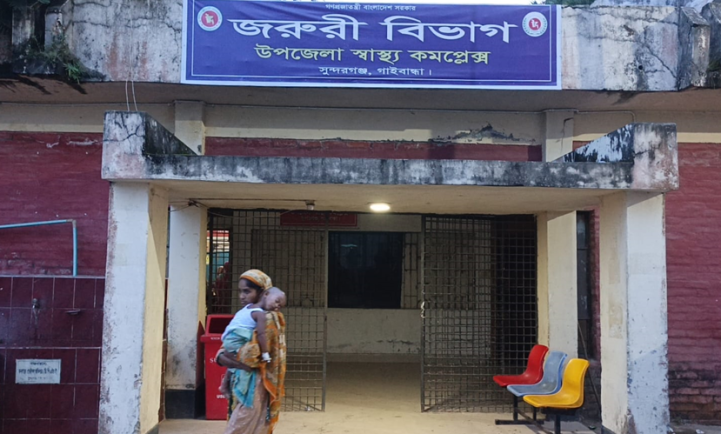
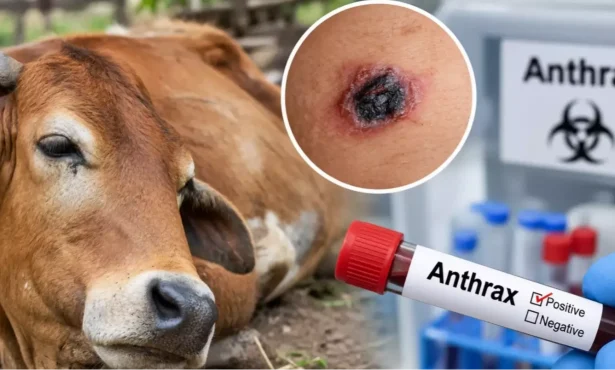
Anthrax infections are spreading in Sundarganj upazila of Gaibandha, with six more cases detected in the past 24 hours, taking the total number of infections in the area to 37.
Authorities have instructed residents not to slaughter any livestock without testing and veterinary advice as part of efforts to contain the outbreak. Awareness campaigns are also underway, while livestock are being vaccinated in the affected areas.
According to the district health department, an infected cow was slaughtered in Purba Chafrahati village of Sarbananda Union on September 11. People involved in cutting and eating the meat later developed symptoms including fever, headaches and skin blisters. Tests at hospitals subsequently confirmed anthrax infections.
Local sources said another sick cow was slaughtered in Bachhati village on September 9 and its meat was sold cheaply to around 100 families. Over the past two weeks, anthrax-like symptoms have been reported in five unions — Sarbananda, Tarapur, Kanchibari, Sonaray and Ramjiban.
Sundarganj Upazila Health and Family Planning Officer Kamrul Hasan and Upazila Livestock Officer KM Iftekharul Islam said the first symptoms appeared among six residents of Kanchibari Union in early September.
They developed fever and skin blisters after eating meat from a sick cow. Four of the six later tested positive for anthrax, Kamrul said.
Golza Begum, 40, of Bachhati village, said blisters appeared on her hand shortly after she cleaned, cooked and ate meat from the sick cow.
Shafik Alam, 45, said he did not eat the meat but helped slaughter the cow. He developed blisters on both hands after coming into contact with the animal’s blood.
The upazila livestock office collected two meat samples from Bachhati village on September 21 and sent them to the Central Disease Investigation Laboratory (CDIL). Both samples tested positive for anthrax, according to Iftekharul Islam.
Gaibandha Civil Surgeon Dr Md Rafiquzzaman said awareness campaigns had been intensified and efforts were underway to vaccinate livestock in the affected areas.
According to the upazila livestock office, Sundarganj has around 254,000 livestock. Following an anthrax outbreak last October, the government launched a ring vaccination programme in 15 unions in July this year. So far, around 19,000 cattle have been vaccinated.
Under government guidelines, all livestock within three kilometres of an affected area are supposed to be vaccinated.
Iftekharul Islam said the department currently had 11,000 vaccine doses in stock and had requested another 15,000 doses.
Researchers from icddr,b and the Institute of Epidemiology, Disease Control and Research (IEDCR), however, told the upazila livestock office that anthrax can also spread through goats, sheep and buffaloes.
Gaibandha District Livestock Officer Md Zobaidul Kabir said cattle were being prioritised because previous anthrax outbreaks in the region had mainly originated from cattle, while other livestock were also being monitored.
Sundarganj also experienced an anthrax outbreak last year. At the time, Rozina Begum, 45, of Paschim Belka village, died while undergoing treatment at Rangpur Medical College Hospital after developing anthrax symptoms. According to local health officials and her family, she developed blisters on her fingers after cleaning, cooking and eating meat from a sick goat.