Play store

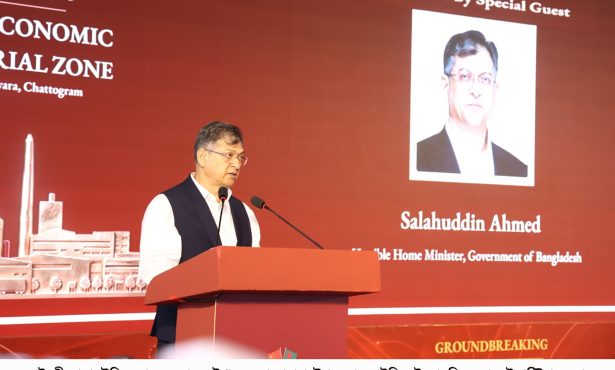
A bill to amend the Constitution may be placed before Parliament during its first session in January next year, Home Minister Salahuddin Ahmed has said.
He said the special committee on constitutional reform was working to submit its report to Parliament by December, after which the Ministry of Law, Justice and Parliamentary Affairs would draft and introduce the amendment bill based on the report.
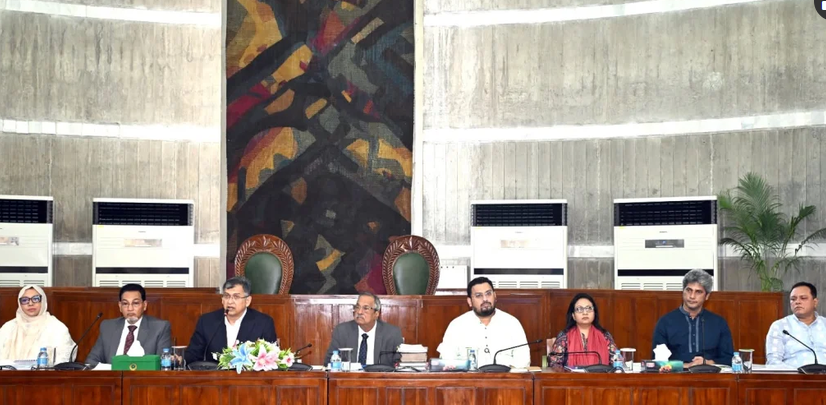
The minister, who heads the special committee, made the remarks at a press conference after a committee meeting at Parliament on Sunday (Sept 27).
Salahuddin said a referendum would be held before presidential assent for amendments involving certain fundamental constitutional provisions.
He said changes to the Constitution’s preamble, Article 142 or other relevant constitutional provisions would require a referendum.
Explaining the proposed referendum process, he said there could generally be two types of referendums, one concerning constitutional matters and another concerning a particular issue of law.
He said the Constitution had previously provided for a constitutional referendum under Article 142, but the provision was abolished through the 15th Amendment during the Awami League government.
Following the Supreme Court verdict on a case challenging the 15th Amendment after the August 5 student-people uprising, the provision for a constitutional referendum under Article 142 has been restored, he said.
According to the minister, after Parliament passes a constitutional amendment, provisions requiring a referendum would be put to a public vote before being sent to the president for assent. If voters approve the amendment, it would then be sent to the president for signing.
The committee chairman also disclosed a proposal to place the caretaker government system under the constitutional referendum mechanism.
He said the committee had proposed to the Consensus Commission that any future attempt by Parliament to change the relevant provisions on the caretaker government system should require a referendum.
Another proposal would require a referendum for any future change to the relevant constitutional provisions, he said. The BNP has also proposed making referendums mandatory for such changes, according to the minister.
Salahuddin urged the opposition to participate in the constitutional amendment process, saying their views and proposals would be discussed if they joined the committee.
He said acceptable proposals could be incorporated based on consultations with all sides, although the committee had no authority to ensure the opposition’s participation.
Editors of national dailies, senior journalists and representatives of different journalist forums shared their views on constitutional reforms at Sunday’s meeting. They gave opinions on various articles and schedules of the Constitution and were asked to submit their proposals in writing.
Salahuddin said the July National Charter would receive priority in the constitutional amendment process. Commitments made in election manifestos would also be considered.
He said issues not included in the July National Charter or not agreed upon through consensus would also be considered, along with constitutional reform proposals contained in the BNP’s election manifesto.
The committee has formally invited political parties to participate in discussions on constitutional amendments, he said, adding that it wants to move forward with the participation of all sides, including parties that signed the July National Charter.
Salahuddin said the committee was making strong efforts to submit its report by December. The Ministry of Law, Justice and Parliamentary Affairs would then introduce the amendment bill based on the report.
He said the bill could be tabled during Parliament’s first session in January next year. After debate, consideration of amendment proposals and objections, if any, the amendments would proceed through the constitutional process.
Amendments requiring a referendum would be put to a public vote before presidential assent.