Play store

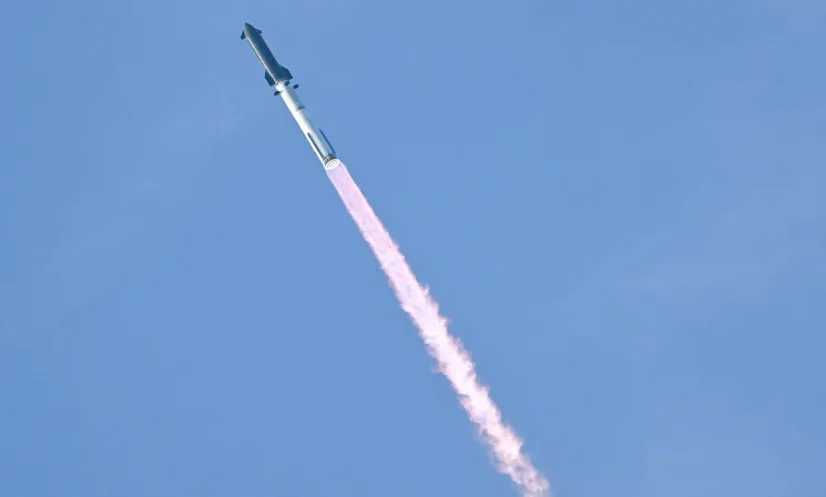
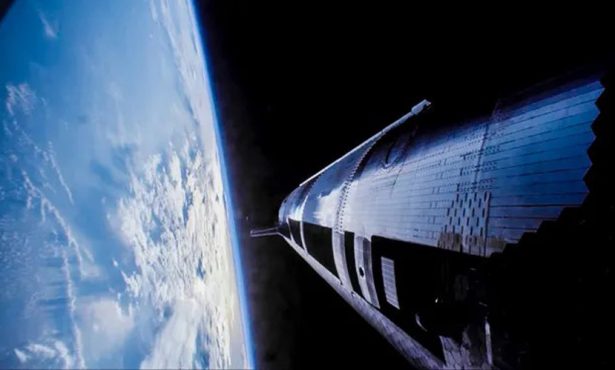
SpaceX’s Starship megarocket reached orbit for the first time on Monday (September 28), achieving a major milestone in the development of the company’s next-generation launch system and successfully deploying 26 Starlink satellites.
The 14th Starship test flight lifted off from SpaceX’s Starbase facility in South Texas at 8:48 a.m. EDT. The uncrewed vehicle reached orbit despite an engine problem during ascent, marking the first time the massive rocket has completed an orbital flight.
The mission was not without drama. One of Starship’s engines shut down unexpectedly during the ascent, raising questions about whether the vehicle could achieve orbit. SpaceX flight controllers nevertheless continued with the mission, and the spacecraft later performed the engine burn needed to enter orbit.
“Starship is orbital,” mission control announced after the vehicle reached its target trajectory.
The achievement was followed by another milestone as Starship deployed 26 next-generation Starlink V3 satellites, marking the first operational satellite deployment from the vehicle.
The Super Heavy booster, which propelled Starship into space, returned to the Gulf of Mexico for an engine-controlled splashdown.
Starship then continued its mission in space, but SpaceX ended the flight several hours earlier than originally planned. The spacecraft eventually re-entered Earth’s atmosphere and splashed down in the northern Pacific Ocean after about three hours.
The mission was originally expected to last nearly 10 hours and include several orbits of Earth. SpaceX shortened the flight after completing the primary objectives, including reaching orbit and deploying the Starlink satellites.
Standing about 407 feet (124 metres) tall, Starship is designed to be fully reusable and capable of carrying large payloads into orbit. SpaceX says the system is intended to dramatically increase launch capacity through rapid reusability.
The company is developing Starship for a range of missions, including deploying large satellite constellations and eventually carrying cargo and astronauts to the Moon and Mars.
NASA has also selected Starship as one of the lunar lander systems for its Artemis programme, which aims to return astronauts to the Moon.
Despite the successful orbital flight, SpaceX still faces major challenges before Starship can enter routine service. The company plans eventually to catch both the Super Heavy booster and Starship spacecraft at the launch tower for rapid reuse. It must also demonstrate orbital refuelling and develop life-support systems before crewed missions.
Monday’s flight nevertheless marked a significant step for SpaceX as it moves Starship from repeated developmental tests towards operational missions.