Play store

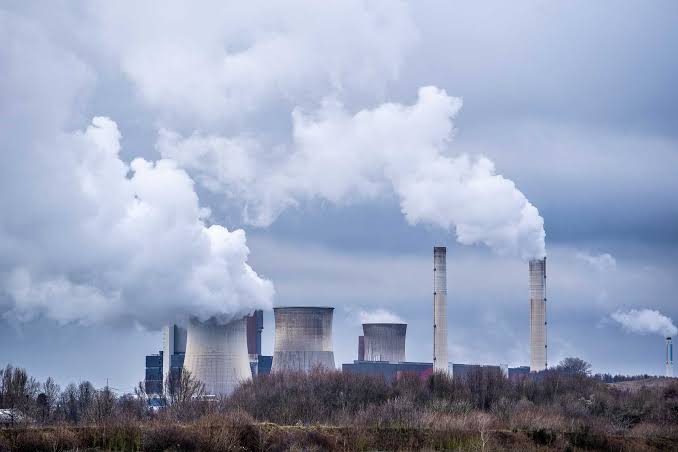
Heatwaves and wildfires, intensified by human-caused emissions, exposed about one-third of the world’s population to extremely high levels of ozone pollution during the first eight months of 2026, according to a European Union report released Wednesday.
The analysis by the EU’s Copernicus Atmosphere Monitoring Service (CAMS), covering January 1 to September 15, highlights the growing link between climate change, wildfires and air pollution.
Ground-level ozone forms when sunlight and heat react with emissions from vehicles, industry and wildfires. Exposure can damage lung tissue, cause breathing difficulties, trigger asthma attacks and contribute to other health problems.
CAMS found that 34 per cent of the global population was exposed to “extremely poor” air quality during the period, with ozone concentrations well above the World Health Organization’s recommended exposure level. Another 17 per cent experienced “very poor” air quality, while only 5 per cent were exposed to “good” ozone levels.
Asia recorded the highest exposure, with 53 per cent of its population experiencing extremely poor ozone levels and another 22 per cent facing very poor conditions. New Delhi, Dhaka, China’s Chongqing and Pakistan’s Lahore were among the cities reporting extremely poor ozone levels.
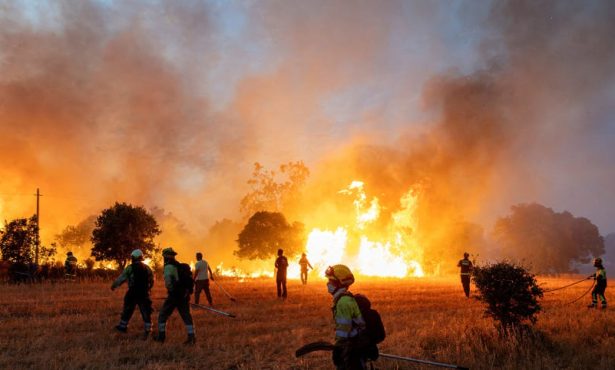
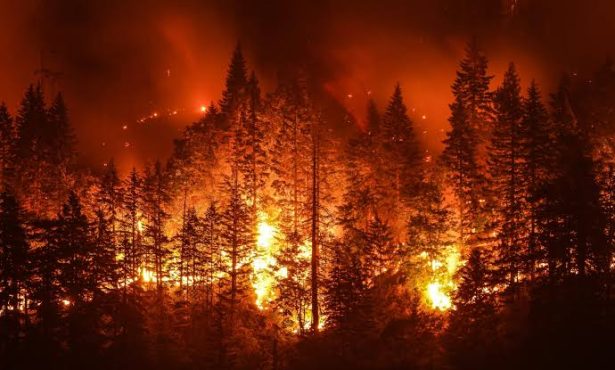
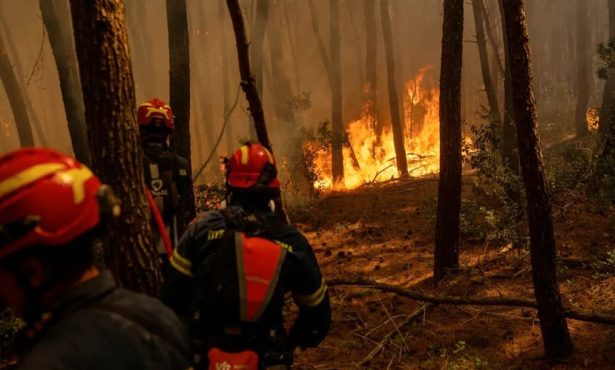
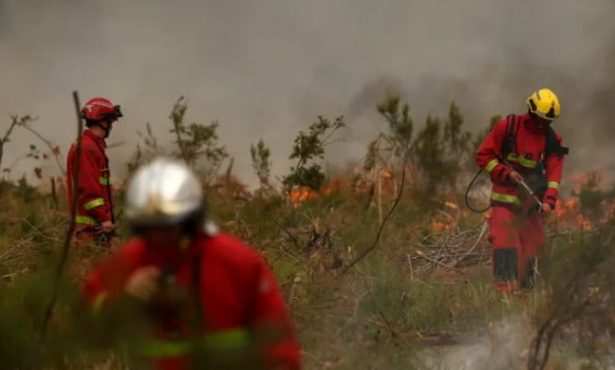
The report attributed the high ozone levels partly to record heatwaves and widespread wildfires in Europe and North America, with smoke travelling far beyond the regions where fires occurred. Indonesia has also experienced major wildfires, while the developing El Niño pattern could increase fire risks in Southeast Asia later this year.
“AIR pollution does not stop at borders. It can travel thousands of kilometres, crossing continents and oceans and affecting air quality far from its source,” CAMS Director Laurence Rouil said.
Despite progress in reducing several major air pollutants, ozone has proved more difficult to control because climate change is creating conditions that favour its formation.
In North America, about two-thirds of the population was exposed to poor or very poor air quality, while the corresponding figure for Europe was 45 per cent. Ozone levels in North America remained relatively unchanged despite emissions-reduction policies, CAMS said.
Ozone pollution is associated with about 60,000 premature deaths annually in Europe, according to Ian Marnane of the European Environment Agency.
Africa also faced significant pollution from forest fires, crop burning and cooking, while Saharan dust can travel as far as Europe. About 8 per cent of Africa’s population experienced extremely poor air quality, while 19 per cent faced poor or very poor conditions.
South America generally recorded better ozone conditions, although very high levels were reported in São Paulo and extremely elevated levels in Rio de Janeiro. Overall, 81 per cent of the continent’s population experienced good or fair ozone conditions.
Oceania recorded the most favourable results, with 66 per cent of the population experiencing good ozone levels and the remaining 34 per cent classified as having fair air quality.