


 Play store

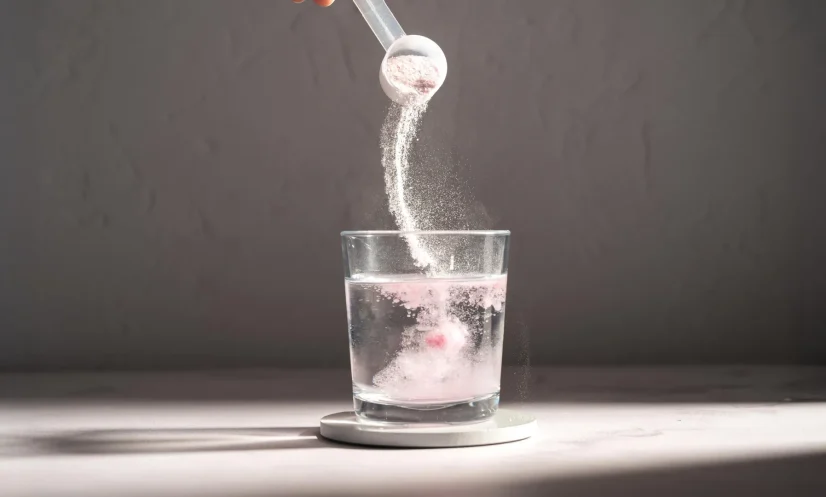
Creatine supplements may help middle-aged adults build and preserve muscle even without a structured exercise programme, according to a new study by researchers at Texas A&M University.
The 12-week study, published in the Journal of the International Society of Sports Nutrition, found that healthy adults aged 45 to 65 who took creatine gained lean tissue and increased muscle strength. Those who combined creatine with regular exercise recorded even greater improvements.
The study involved 64 adults who completed the full 12-week intervention. Participants either joined a structured exercise and diet-induced weight-loss programme or remained in a non-exercise group. Within each group, they were randomly assigned to take either 10 grams of creatine monohydrate or a placebo daily.
Among participants who did not exercise, those taking creatine gained about 2.4 pounds of lean tissue and improved their leg-press and bench-press strength.
Participants in the exercise group performed resistance and aerobic training three times a week. Those taking creatine achieved greater improvements in leg-press strength, bench-press strength and time to exhaustion than those taking the placebo.
However, creatine did not appear to increase aerobic capacity beyond the improvement produced by exercise alone, supporting previous research suggesting that the supplement primarily benefits muscular strength and power.
The researchers also examined whether creatine could help people retain muscle while losing body fat.
Participants in the exercise group followed a diet designed to create a modest calorie deficit. After 12 weeks, those taking creatine gained nearly three pounds of lean tissue while losing fat mass. Those following the same exercise and diet programme but taking a placebo showed little change in lean tissue.
The creatine group also recorded a greater reduction in body-fat percentage. Researchers said the findings provide evidence that creatine combined with exercise and calorie restriction may help improve body composition during weight loss.
Creatine occurs naturally in the body and plays an important role in restoring cellular energy. It is also found in foods such as meat and fish and has been extensively studied for its effects on exercise performance, muscle growth and strength.
The study was led by Dr Richard Kreider, professor and director of the Exercise and Sport Nutrition Lab at Texas A&M, who has researched creatine for more than three decades.
Researchers are increasingly examining creatine for potential benefits beyond athletic performance, particularly as people age and become more vulnerable to losses in muscle mass and strength.
A 2025 review led by Kreider and colleagues examined 685 clinical trials and found no significant difference in reported side-effect rates between creatine users and people receiving a placebo.
The researchers said the findings add to growing evidence that creatine could have a role in maintaining muscle health and supporting healthy ageing, although further research is needed to determine its longer-term effects.