Play store


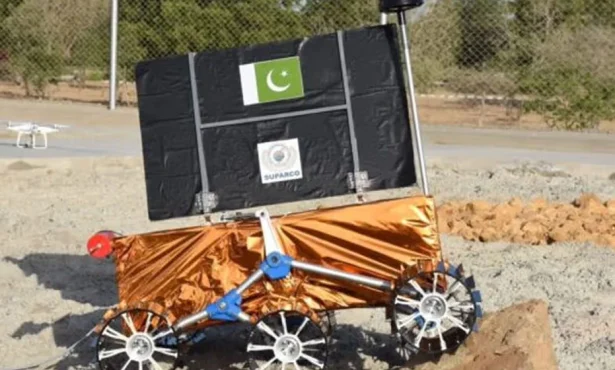
Pakistan’s first lunar rover Jinnah-1 is expected to land on the Moon in 2028, Chairman of the Space and Upper Atmosphere Research Commission (SUPARCO) Yusuf Khan has said.
Speaking at an event organised to mark World Space Week, Khan said Pakistan was making progress in its space programme and was increasingly relying on its own satellite capabilities.
He said World Space Week plays an important role in introducing young people to space technology and inspiring them to pursue opportunities in the sector.
Khan said Pakistan had made significant progress in its space programme in recent years. The country launched its E-1 satellite in January 2025, followed by two more satellites in July and October of the same year, he said.
Pakistan currently has six Earth-observation satellites supporting activities in various sectors, according to the SUPARCO chairman.
The satellites are being used for applications including agriculture, planning and natural-disaster management, he said.
Khan also highlighted the growing use of satellite technology to expand internet and television coverage across Pakistan.
These developments demonstrate the expanding use of space-based technologies in Pakistan’s communications sector and other applications on Earth, he said.