Play store

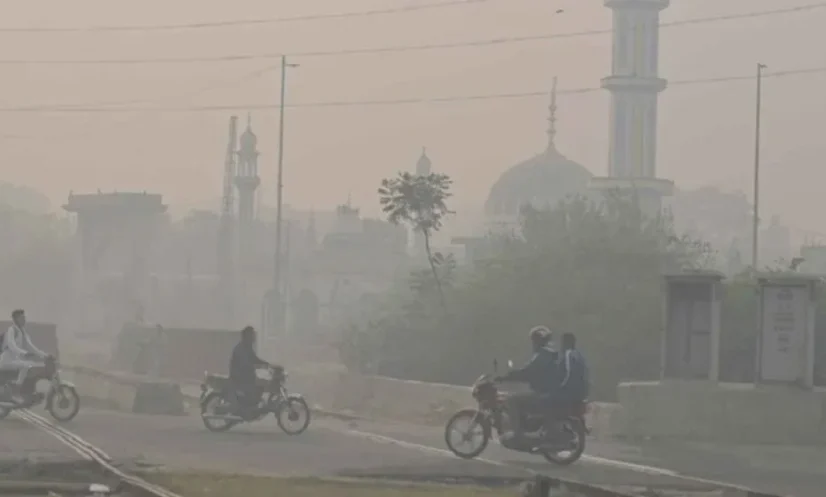
DHAKA: Dust, smoke and harmful particulate matter are affecting people’s normal lives. Against this backdrop, Bangladesh’s capital Dhaka ranked third on the list of the world’s cities with the most polluted air on Wednesday, with an Air Quality Index (AQI) score of 173.
The air quality at this level is considered ‘unhealthy’ for residents.
According to the air quality index of IQAir, Kuala Lumpur in Malaysia topped the list with an AQI score of 210, which is considered ‘very unhealthy’.
Singapore ranked second with a score of 176, followed by Dhaka with 173. India’s Delhi ranked fourth with 165, while Pakistan’s Lahore was fifth with a score of 164.
According to IQAir’s standards, an AQI between 0 and 50 is considered ‘good’, while 51–100 is ‘moderate’. A score of 101–150 is considered ‘unhealthy for sensitive groups’, while 151–200 is classified as ‘unhealthy’. A score of 201–300 is considered ‘very unhealthy’, and anything above 301 is classified as ‘hazardous’.
In Bangladesh, the AQI is determined based on five major pollutants: particulate matter (PM10 and PM2.5), nitrogen dioxide (NO₂), carbon monoxide (CO), sulfur dioxide (SO₂) and ozone (O₃).
A 2019 report by the Department of Environment and the World Bank identified brick kilns, vehicle emissions and dust from construction sites as the three major sources of air pollution in Dhaka.