


 Play store

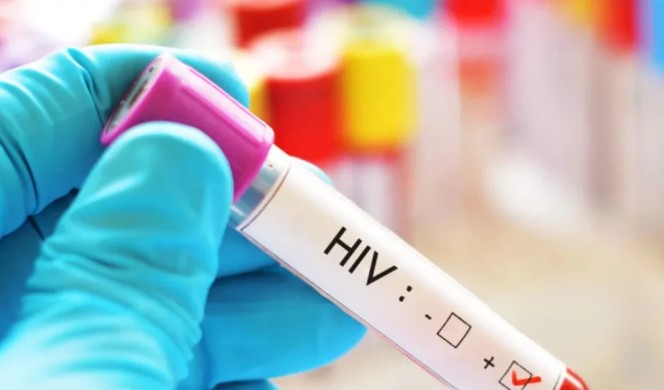
Dhaka: The proportion of students among newly diagnosed HIV patients in Bangladesh has risen to nearly 17 per cent, more than double the rate recorded in 2021, raising concerns among public health experts about awareness, prevention and access to testing.
According to the National AIDS/STD Control programme of the Directorate General of Health Services (DGHS), 1,891 people were newly diagnosed with HIV in 2025, including 321 students, accounting for 16.97 per cent of the total.
The number of newly diagnosed cases has increased steadily in recent years. In 2024, 223 of the 1,438 newly identified patients were students, representing 15.50 per cent. The proportion was 14.50 per cent in 2023, when 185 of 1,276 new cases involved students.
In 2022, students accounted for 4.43 per cent of the 947 newly diagnosed cases, while the figure stood at 7.13 per cent in 2021, with 52 students among 729 new patients.
The figures show that although the proportion of students declined in 2022, it has increased consistently since then.
Those involved in HIV prevention efforts attribute the rise among students partly to gaps in awareness and unsafe sexual relationships. Public health experts warn that limitations in preventive programmes and inadequate access to testing could make the situation more difficult in the coming years.
They say the growing share of students among newly diagnosed patients is a matter of concern and calls for stronger awareness campaigns at educational institutions and other levels. They also stress the need to expand access to HIV testing, strengthen prevention measures, ensure treatment for young people living with the virus and address discrimination against them.
Dr Mushtaq Hossain, former principal scientific officer of the Institute of Epidemiology, Disease Control and Research (IEDCR), said funding for HIV-related programmes had largely come from foreign sources, but much of that support had stopped in recent years.
“As a result, awareness campaigns against AIDS have lost some momentum. Overall, the number of people infected with HIV in the country has declined relatively, but awareness activities must not stop. Awareness should be raised among students through schools, clubs and other platforms. We should not depend solely on foreign funding; we must also strengthen our own capacity,” he said.
Since the first AIDS case was detected in Bangladesh in 1989, a total of 14,313 people had been officially diagnosed with HIV by the end of 2025, according to the National AIDS/STD Control programme.
The country recorded 219 deaths among people living with HIV in 2025, taking the cumulative death toll to 2,666.
Age-wise data show that 21.05 per cent of those newly diagnosed in 2025 were aged between 20 and 24, while 4.87 per cent were aged 15 to 19. The largest share, 62.61 per cent, belonged to the 25-49 age group, indicating that most new cases were among young and economically active people.
The breakdown by population group shows that 34 per cent of newly diagnosed patients were men who have sex with men (MSM), 14 per cent were male sex workers, 12 per cent were migrants, 11 per cent were members of the Rohingya community and 6 per cent were people who inject drugs. A total of 217 newly diagnosed patients were Rohingya.
Although the overall HIV prevalence in Bangladesh remains below 0.01 per cent of the population, the number of diagnosed cases has been increasing.
The National AIDS/STD Control programme estimated that 17,480 people were living with HIV in Bangladesh in 2025. However, only 14,313 had been officially diagnosed by the end of the year.
Of those diagnosed, 8,579 were receiving antiretroviral therapy (ART), which helps control the virus in the body.
Dr Md Khairuzzaman, director of the National AIDS/STD Control programme under the DGHS, said the number of diagnosed cases was increasing partly because more people were being screened.
“The number of people diagnosed with HIV is increasing day by day because more people are now being screened. Students are also among those infected. However, the positive aspect is that the number of cases among migrants and sex workers has declined considerably. This is good news,” he said.
Limited access to HIV treatment at government hospitals and the availability of testing facilities in only 23 districts have been identified as major challenges in tackling the disease, according to a presentation by the National AIDS/STD Control programme.
The presentation also identified a lack of awareness and knowledge among both the general and key populations, poor coordination between government agencies and community-based organisations, and social discrimination against people living with HIV as barriers to prevention and treatment.
Prof Dr SM Rafiqul Islam Bachchu, chairman of the Parliamentary Standing Committee on the Ministry of Health and Family Welfare and MP for Gazipur-3, stressed the importance of awareness in preventing the spread of HIV.
“Various government programmes are being implemented to raise awareness about HIV prevention. HIV is a preventable disease. It is essential to make people aware, promote religious values and encourage a healthy and normal way of life. Awareness is the key to preventing the spread of the disease,” he said.
He added that initiatives were also underway to raise awareness among school and college students, with educational institutions being included in programmes conducted at the national level.