


 Play store

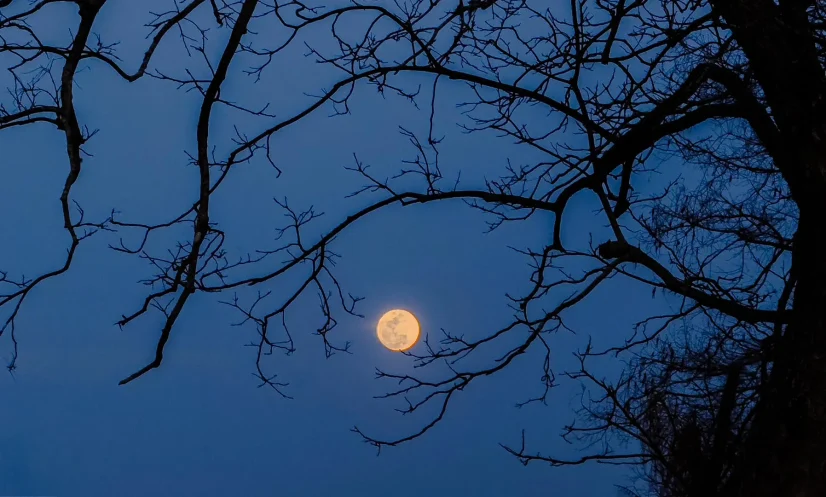
October is offering skywatchers a series of celestial events, including two meteor showers, a planetary occultation and a bright full Moon ahead of Halloween, according to NASA.
The events provide opportunities to observe the night sky as autumn brings longer hours of darkness, with most displays visible to the naked eye under favourable weather and viewing conditions.
The month’s highlights include the Draconid and Orionid meteor showers, debris from Halley’s Comet, and October’s full Moon, known as the Hunter’s Moon.
Jupiter also disappeared behind the Moon in a rare-looking celestial event on October 6, visible from parts of North America.
The phenomenon, known as a lunar occultation, occurs when the Moon passes directly in front of a more distant celestial object, temporarily blocking it from view. Jupiter remained hidden for about an hour before reappearing.
The Draconid meteor shower reached its peak on October 8 and 9. Unlike many meteor showers that are best observed after midnight, the Draconids are often visible soon after nightfall.
The shower occurs when Earth passes through debris left by a comet, producing streaks of light as particles enter the atmosphere and burn up. The Draconids typically produce only a few visible meteors per hour, although activity can vary.
The Orionid meteor shower is expected to peak around October 21, offering another opportunity to see shooting stars. The meteors originate from debris left behind by Halley’s Comet during its journeys around the Sun.
NASA estimates that observers in suburban areas may see around three to six Orionid meteors an hour, while darker locations can offer better viewing opportunities.
The Moon’s brightness may make some fainter meteors difficult to spot this year. Observers may improve their chances by watching after moonset, when the sky becomes darker.
October’s final major celestial highlight is the Hunter’s Moon, which reaches its full phase on October 26 in Universal Time. In much of North America, it will appear full on the evening of October 25.
The traditional name refers to the full Moon following the Harvest Moon and is associated with the time of year when hunters historically prepared for winter.
For the best viewing experience, astronomers recommend finding a location away from city lights, allowing the eyes to adjust to the darkness and observing the sky without telescopes or binoculars when watching meteor showers.