Play store


Companies in the Gulf, some of the most directly affected by the Iran war, will provide one of the clearest insights so far of its regional financial impact when they begin reporting their second-quarter earnings this week.
In countries from Saudi Arabia and Oman to the United Arab Emirates and Qatar, company results are likely to be mixed.
Banks and real estate are most exposed given pre-existing challenges that have been exacerbated by the war’s impact on inflation on interest rates, while telecoms were sheltered by long-term contracts and relatively inflexible demand, analysts said.
Energy companies faced supply disruption from the four-month conflict, but also potential gains from the price volatility caused by the closure of the Strait of Hormuz shipping channel.
“The second quarter is going to reveal the real impact of the war,” said Tariq Qaqish, deputy CEO at advisory firm FH Capital. He added the first quarter, only partly affected by the conflict which began at the end of February, had shown just the initial impact on sectors such as tourism and aviation.
Gulf stock indices in Abu Dhabi and Dubai were the hardest hit by the Iran war, though have made something of a comeback as a peace deal has neared. Oman – outside the Strait of Hormuz – and Saudi Arabia initially did better, though have since lost ground.
The fortunes of regional economies, many built around hydrocarbons, largely depend on how reliant they are on the Strait of Hormuz that provides the only sea access to the Gulf.
The economy of Saudi Arabia, which also has oil terminals on the Red Sea, will grow 2.1% this year, HSBC forecasts show.
Similarly, the stock index of Oman, which is outside the strait, has outperformed.
UAE, Qatar and Kuwait, which rely on the shipping canal, are set to contract.
As a peace deal comes under threat from renewed strikes, some of the region’s risk premium is likely to stay, said Salman Ahmed, Fidelity International’s global head of macro and strategic asset allocation, citing Iran’s leverage on the strait.
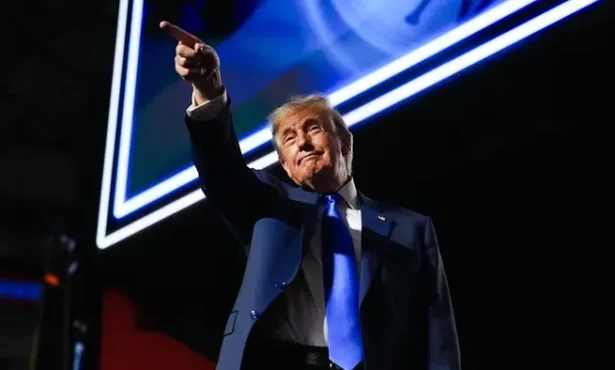
On Wednesday U.S. President Donald Trump said an interim agreement to end the war with Iran was over after Tehran carried out new attacks on U.S. bases in the Gulf.
“A further confidence shock would exacerbate risk for companies exposed to consumer and service demand,” S&P Global Ratings analysts said.