Play store

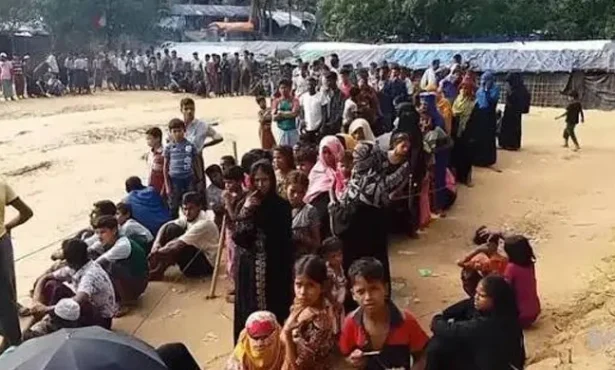
Home Minister Salahuddin Ahmed has reaffirmed Bangladesh’s commitment to the safe, voluntary, dignified and sustainable repatriation of forcibly displaced Rohingyas to Myanmar, stressing the need for coordinated regional and international diplomatic efforts.
“Coordinated regional and international diplomatic efforts are being strengthened to ensure their return,” he said.
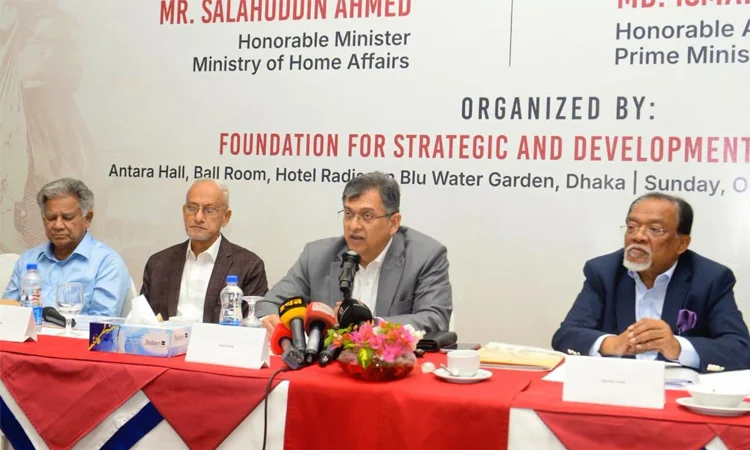
The minister was speaking as the chief guest at a seminar titled “Rohingya Crisis: Way Forward – Towards Sustainable Repatriation and a Durable Regional Solution” organised by the Foundation for Strategic and Development Studies (FSDS) at Radisson Blu Water Garden in Dhaka on Sunday.
Md Ismail Zabiullah, adviser to the prime minister on public administration with the rank of a minister, attended the event as the special guest. FSDS Chairman Major General (retd) Fazle Elahi Akbar chaired the seminar.
Ahmed said Bangladesh’s unilateral efforts would not be enough to ensure sustainable repatriation, calling for a strategic regional alliance involving China, the Association of Southeast Asian Nations (ASEAN), the United Nations, Japan and other relevant stakeholders.
He said Prime Minister Tarique Rahman’s planned visit to Japan later this month could provide an opportunity for further discussions on accelerating the repatriation process.
Referring to the changing geopolitical and security situation in Myanmar’s Rakhine State, the home minister said the Arakan Army (AA) controlled a substantial part of the territory.
Against this backdrop, Bangladesh was exploring possible solutions through various diplomatic channels, including informal communication, he added.
He said peaceful repatriation remained the principal objective and that Bangladesh would continue diplomatic dialogue while keeping all options open as a last resort.
Speaking at the seminar, Zabiullah said the Rohingya crisis was not merely a humanitarian problem or a bilateral issue, but was closely linked to Bangladesh’s national interests, regional stability and international geopolitics.
Given the crisis’s longstanding complexities and Myanmar’s evolving political and military circumstances, Bangladesh needed to shift from crisis management to strategic diplomacy, temporary relief to sustainable repatriation, and fragmented initiatives to an integrated national strategy, he said.
He also stressed the need to protect the Rohingyas’ humanitarian rights and security while mobilising international support and maintaining pressure on Myanmar to ensure their safe and dignified return.
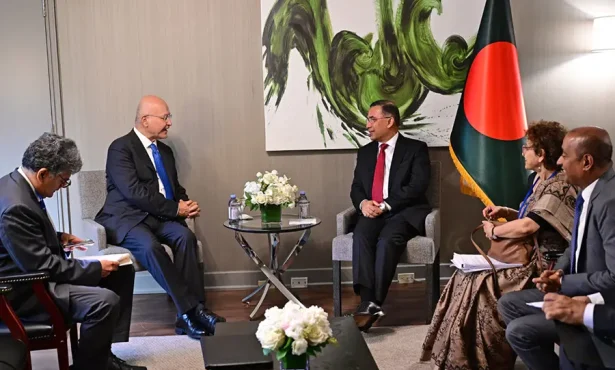
Talking to journalists after the seminar, Ahmed said Bangladesh’s representative being elected president of the United Nations General Assembly this year had created an opportunity to raise the repatriation issue more forcefully at the international level.
He expressed optimism that engagement with the international community, backed by neighbouring and partner countries, including China, Japan, India, the United States and the European Union, could help chart a path towards swift and sustainable repatriation.
The seminar was attended by local and foreign diplomats, representatives of international organisations, retired military officers, researchers, academics and media representatives.
Bangladesh seeks regional alliance for Rohingya repatriation
Staff Correspondent
11 October 2026 21:51
Updated: 11 October 2026 21:51