


 Play store

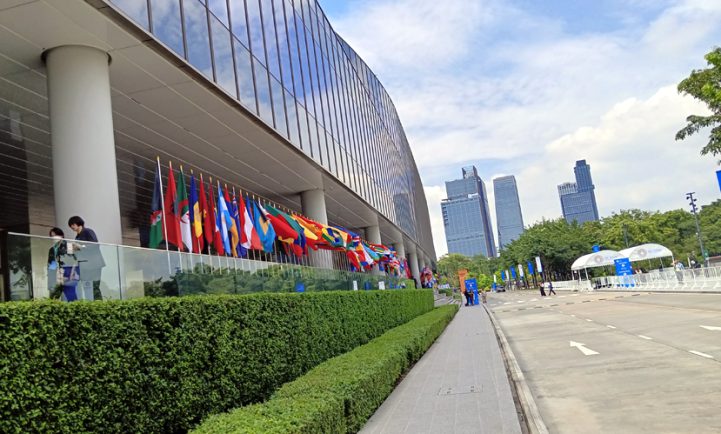
Mohsin Hossain, Bangkok: The 2026 Annual Meetings of the International Monetary Fund (IMF) and the World Bank Group began in the Thai capital on Monday, bringing together global policymakers to discuss challenges facing the world economy, strengthen financial stability and explore new avenues for financing sustainable development.
The week-long meetings opened at the Queen Sirikit National Convention Centre (QSNCC), with finance ministers, central bank governors, government policymakers, economists, development partners and representatives of international financial institutions from around the world taking part.
Key issues on the agenda include global economic trends, inflation, debt pressures, investment, job creation, poverty reduction and financing for developing countries. Discussions are also expected to focus on policy measures to address economic uncertainty, boost productivity and secure long-term growth.
The global economy continues to face multiple pressures, with concerns mounting over rising debt burdens, investment needs, financing constraints and countries’ capacity to withstand economic shocks. Against this backdrop, the policy priorities of the IMF and the World Bank, along with ways to strengthen cooperation among member countries, are expected to feature prominently.
Securing external financing, strengthening financial management and creating an economic environment conducive to job creation and poverty reduction remain major priorities for developing countries. Many are struggling to maintain necessary investment in education, healthcare, infrastructure and climate resilience while meeting debt-servicing obligations.
The economic implications of technological change and artificial intelligence (AI), efforts to attract private-sector investment, green financing and measures to strengthen resilience to climate change are also expected to receive attention.
Rapid technological advances are creating new opportunities to boost productivity and generate employment, while posing fresh challenges for labour markets, skills development and income inequality. Policymakers are therefore expected to examine how governments can prepare for these changes, develop a skilled workforce and expand public-private partnerships in development financing.
Mobilising resources for green investment and climate action is another important concern, particularly for developing countries vulnerable to climate-related disasters. The need for increased financing for climate adaptation, disaster preparedness and environmentally sustainable infrastructure has remained a key issue in international discussions.
The IMF-World Bank Annual Meetings are among the most important forums for international economic cooperation. They provide an opportunity to review member countries’ economic conditions and discuss global financial stability, economic reforms, poverty reduction and financing opportunities for developing nations.
Exchanges among policymakers and economic experts also help identify areas of cooperation to address shared challenges and support sustainable growth.
For developing countries such as Bangladesh, these discussions are particularly significant. International cooperation and development financing can play an important role in attracting foreign investment, creating