Play store


The World Bank Group has called for policy reforms, stronger banking-sector governance and an improved business environment to attract long-term foreign investment and create jobs in Bangladesh.
In its 2025 Country Private Sector Diagnostic (CPSD), the organisation identified green garments, middle-income housing, dyes and pigments manufacturing, and digital financial services as sectors with significant potential for investment and employment.
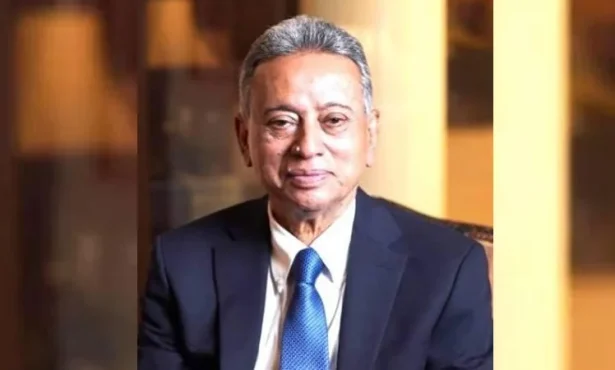
The findings were discussed on Wednesday at an online question-and-answer session titled “Unlocking Investment for Jobs”, held alongside the World Bank Group’s 2026 Annual Meetings in Bangkok. Golam Moula, business editor of Bangla Tribune, posed questions to World Bank Group expert Sebastian Boatro.
According to the assessment, greater investment in middle-income housing could generate 2.37 million jobs annually in the construction sector. Expanding domestic dyes and pigments manufacturing could create more than 664,000 formal jobs, while reforms in digital financial services could generate between 96,000 and 460,000 jobs. The green garment industry was also identified as a promising area for investment and employment.
The World Bank said realising these opportunities would require removing policy and business barriers, improving the investment climate and attracting both domestic and foreign investors. Structural reforms would also help Bangladesh remain competitive in international markets after graduating from least developed country (LDC) status.
The discussion also focused on weaknesses in the banking sector, including high non-performing loans, governance shortcomings and declining confidence in financial institutions.
In response, Boatro said the World Bank had approved $450 million in financing to strengthen Bangladesh’s financial sector.
Under the Financial Sector Support Project-2, the funding will support improvements to the deposit protection system, strengthen Bangladesh Bank’s supervisory capacity, prepare for the restructuring of weak banks and reform state-owned banks. The project also aims to increase the capital of the deposit protection fund and establish an effective emergency liquidity support framework.
Meanwhile, the International Finance Corporation (IFC), a member of the World Bank Group, is working to mobilise international investment in Bangladesh’s private sector.
Under its “originate-to-distribute” approach, the IFC finances part of a project and seeks to attract international investors for the remaining portion. Its participation can help build confidence among other investors.
The World Bank identified political and policy uncertainty, credit risks, currency volatility and weak institutions as major barriers to foreign investment. To address these challenges, it launched a guarantee platform in 2024 to bring different investor guarantee facilities together.
The organisation said its support for mobilising private-sector investment had more than tripled over the past four years, reaching $112 billion in fiscal 2026.
However, it stressed that the focus should extend beyond investment volumes to the number of jobs and economic opportunities created. Investment in human capital and infrastructure, business-friendly regulations and support for private-sector expansion would be crucial to achieving that goal.