Play store

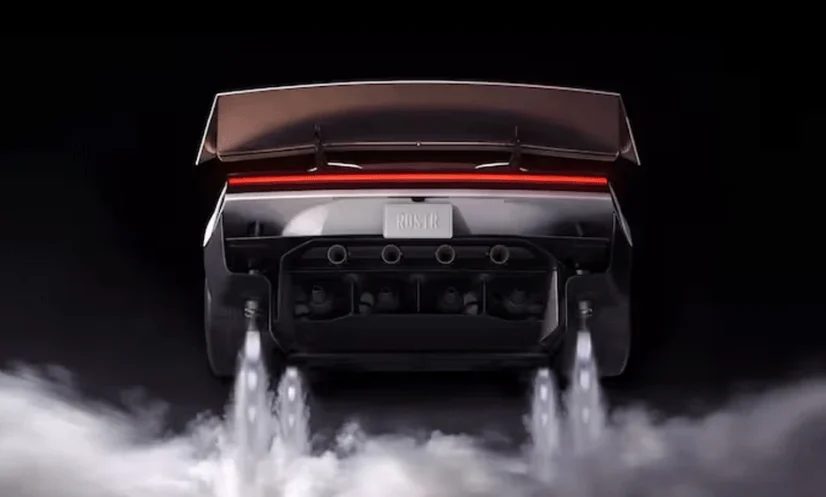
Tesla’s next-generation Roadster has brought the dream of flying cars closer to reality after a demonstration showed the electric sports car briefly lifting off the ground using rocket-like thrusters before landing safely.
The demonstration, held on Thursday at SpaceX’s test facility in McGregor, Texas, featured the car driving up an inverted ramp and appearing to leap into the air, including over another vehicle.
However, Tesla has not released verified figures for the car’s flight height, horizontal distance or time spent airborne. The demonstration showed a brief aerial manoeuvre under controlled conditions, but did not establish that the vehicle could sustain flight or travel long distances through the air.
A report said the car was positioned around 21 metres above the ground while on the ramp. That measurement refers to its position on the ramp and should not be treated as a confirmed flight altitude.
Questions also remain over the vehicle’s final price, safety requirements and regulatory status. Tesla has yet to announce definitive licensing, training or insurance rules for using the thruster system. Requirements would depend on the car’s final design and how regulators classify its flight capabilities.
Tesla announced the second-generation Roadster in 2017 with a starting price of $200,000. However, that figure is not a confirmed price for the newly redesigned model. Reports on its booking options have cited deposits of $50,000 for a performance version and $250,000 for a thruster-equipped version.
The rocket-equipped model is reportedly intended for a limited group of buyers, and its final price remains unconfirmed. Tesla’s website has stated that the version is not approved for use on public roads.
The company has indicated that production could begin in 2028, though this does not guarantee deliveries will start on schedule.
The proposed system uses cold-gas thrusters developed with SpaceX. Rather than burning rocket fuel, the system releases highly pressurised gas to generate thrust.
Despite the demonstration, the Roadster has yet to prove it can remain airborne for extended periods, cover a defined flight range or operate reliably through repeated take-offs and landings.
A vehicle’s ability to briefly leap into the air does not make it a practical flying car. Sustained performance, safety, operating costs and compliance with road and aviation regulations remain major challenges.
Source: NDTV