


 Play store

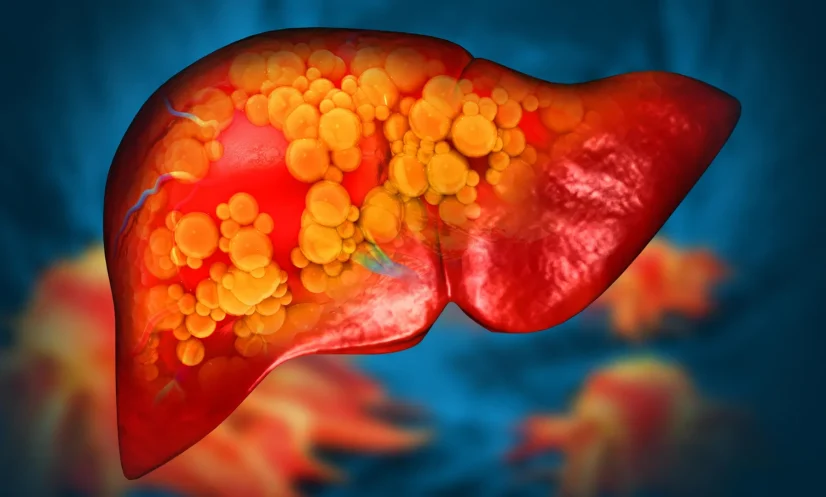
Eating late at night may increase the risk of liver disease by 20 to 30 per cent, according to a study by researchers at Oregon Health & Science University (OHSU), highlighting the potential importance of meal timing for long-term liver health.
The study, published in Clinical Gastroenterology and Hepatology, found that people who regularly ate after dinner or bedtime had a higher risk of developing metabolic dysfunction-associated steatotic liver disease, commonly known as fatty liver disease, and cirrhosis, a condition marked by severe scarring of the liver.
Researchers analysed data from nearly 200,000 participants in three large US studies — the Nurses’ Health Study, the Nurses’ Health Study II and the Health Professionals Follow-up Study. The datasets included information on participants’ eating habits, daily routines and other lifestyle factors.
The findings showed a consistent association between late-night eating and an elevated risk of liver disease, although the researchers cautioned that the study could not establish a direct cause-and-effect relationship.
“A few studies have hinted at this idea, but this is among the first long-term analyses to explicitly draw the connection to fatty liver disease,” said lead author Robert Wilechansky, a hepatologist at OHSU who specialises in liver transplantation.
Fatty liver disease affects up to 30 per cent of the US population. It develops when excess fat accumulates in the liver and can progress to inflammation, liver damage and, in some cases, cirrhosis. Most people with the condition, however, do not develop advanced liver scarring.
“Even so, the big take-away here is that confining your calorie intake to several hours before bedtime might be beneficial,” Wilechansky said.
Researchers believe the association may be linked to the body’s circadian rhythms — internal biological processes that regulate sleep, metabolism and other functions over a roughly 24-hour cycle.
The liver plays a central role in processing nutrients, regulating blood sugar and managing energy storage. Eating when the body is preparing for sleep may interfere with these metabolic processes.
Wilechansky said his interest in the issue was partly driven by evidence that night-shift workers, whose schedules often conflict with their natural sleep-wake cycles, face higher rates of obesity and cardiovascular disease.
Andrew McHill, a study co-author and associate professor specialising in sleep and circadian physiology at OHSU, said the findings add to evidence that the timing of daily activities can influence health.
Previous research has shown that eating during the biological night, when the body is programmed for sleep, can reduce the efficiency of food metabolism and contribute to obesity and diabetes.
The researchers said adjusting meal times could offer a practical way to support metabolic health without necessarily changing the foods people eat.
However, further research is needed to determine whether avoiding late-night meals directly reduces the risk of liver disease. The current findings establish an association rather than proof that late eating causes the conditions.