


 Play store

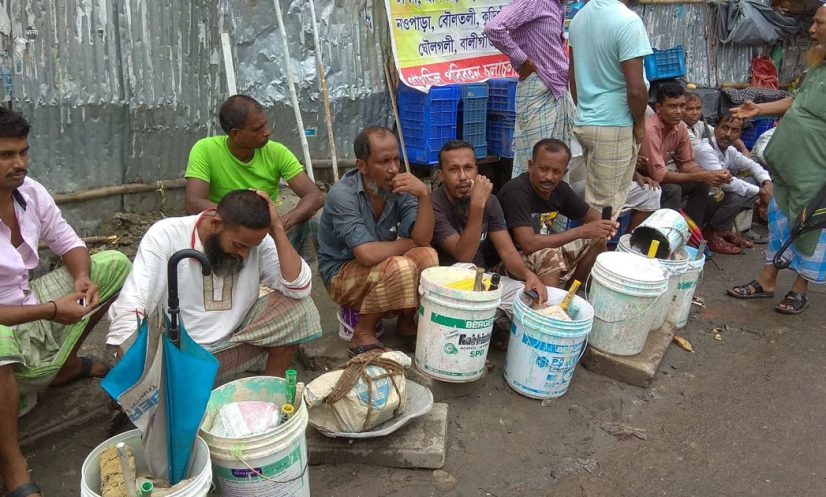
More than 62 million people in Bangladesh are vulnerable to falling back into poverty, as high inflation, sluggish economic growth and natural disasters continue to put pressure on low-income households.
Many families are struggling to balance their budgets and are being forced to cut spending on essentials such as food, healthcare and education.
The issue comes into focus on Saturday as the world observes the International Day for the Eradication of Poverty, with this year’s theme being “Safe Housing for All”.
According to the World Bank, Bangladesh’s poverty rate, measured against the national upper poverty line, fell from 37.1% in 2010 to 18.7% in 2022. The extreme poverty rate declined from 12.2% to 5.6% during the same period, lifting around 25 million people out of poverty. However, the pace of poverty reduction slowed after 2016.
The World Bank estimated Bangladesh’s real GDP growth at 3.4% in FY2025-26, while average inflation stood at 8.7%.
Energy shortages, high borrowing costs, weaknesses in the banking sector and sluggish investment and exports have also hindered industrial activity and job creation.
A professor at Sher-e-Bangla Agricultural University, said rising prices and limited incomes were forcing low-income families to make difficult choices about household spending.
He warned that cuts in food, healthcare and education spending could undermine living standards, particularly when families replace nutritious food with cheaper, carbohydrate-heavy alternatives.
Climate change is another major source of vulnerability. Cyclones, floods, river erosion, drought and salinity are destroying homes, crops and livelihoods, pushing affected families into financial distress.
Experts say reducing poverty sustainably will require more jobs, fair wages, lower agricultural production costs and fair prices for farmers’ produce. Effective social protection programmes are also essential to help vulnerable households withstand economic shocks and natural disasters.
They stress that poverty reduction must go beyond lifting people above the poverty line to ensuring they can maintain their living standards when crises strike.