


 Play store

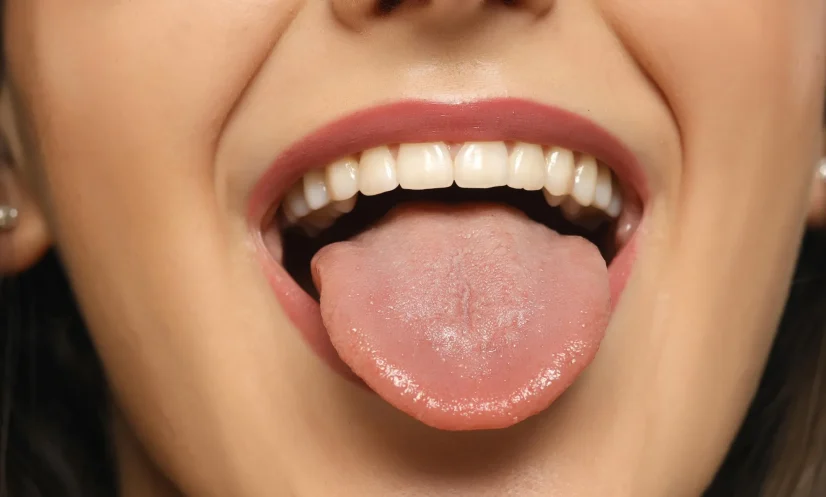
Scientists have identified molecular and structural changes in taste buds that may explain why some people continue to experience taste disturbances more than a year after recovering from Covid-19.
The study, published in the journal Chemical Senses, provides direct biological evidence linking persistent taste problems in some patients to measurable abnormalities in their taste cells.
Researchers from the University of Colorado Anschutz and two Swedish universities examined 28 people who had experienced taste disturbances for more than a year after Covid-19 infection. None of the participants had been hospitalised for the disease.
Taste tests showed that eight participants had clearly abnormal scores, while 11 reported difficulty detecting particular flavours, especially sweet, bitter and umami, the savoury taste associated with foods such as mushrooms and broth. Their ability to detect salty and sour tastes remained largely unaffected.
To investigate the underlying causes, the researchers collected small tissue samples from the taste buds of 20 participants and examined them for biological changes.
The team, led by Göran Hellekant, PhD, of the University of Wisconsin and the Swedish University of Agricultural Sciences, found reduced levels of messenger RNA (mRNA) involved in producing a protein called PLCβ2.
The protein plays a crucial role in transmitting taste signals from receptor cells to the brain. It helps amplify signals associated with sweet, bitter and umami flavours, meaning reduced levels could weaken the signals and make these tastes harder to detect.
“PLCβ2 acts like a molecular amplifier inside taste cells,” said Thomas Finger, a professor of cell and developmental biology at the University of Colorado Anschutz and the study’s corresponding author.
He explained that the protein strengthens signals before they are transmitted to the brain, and lower levels could weaken taste perception.
The finding may also explain why some flavours are affected more than others. Cells responsible for detecting salty and sour tastes use different signalling mechanisms that do not depend on PLCβ2, potentially allowing these sensations to remain largely intact.
The researchers also found structural abnormalities in some participants’ taste buds. Microscopic examinations revealed that while some had normally organised taste buds, others showed disorganisation in the arrangement of taste cells.
These findings suggest that persistent taste dysfunction may result from a combination of disrupted molecular signalling and physical changes within taste buds.
The duration of the symptoms is particularly puzzling because taste cells normally renew themselves approximately every two to four weeks. Despite this natural replacement process, some patients continue to experience taste disturbances long after their initial infection has resolved.
Most people who lose or experience changes in taste during Covid-19 recover within weeks or months. However, a smaller group continues to experience symptoms for more than a year.
The researchers said their findings provide measurable evidence of lasting taste dysfunction in some post-Covid patients, even after the virus has been cleared.
Further studies are needed to determine whether the molecular and structural abnormalities eventually return to normal and whether treatments targeting taste-cell signalling could help restore normal taste perception.