Play store

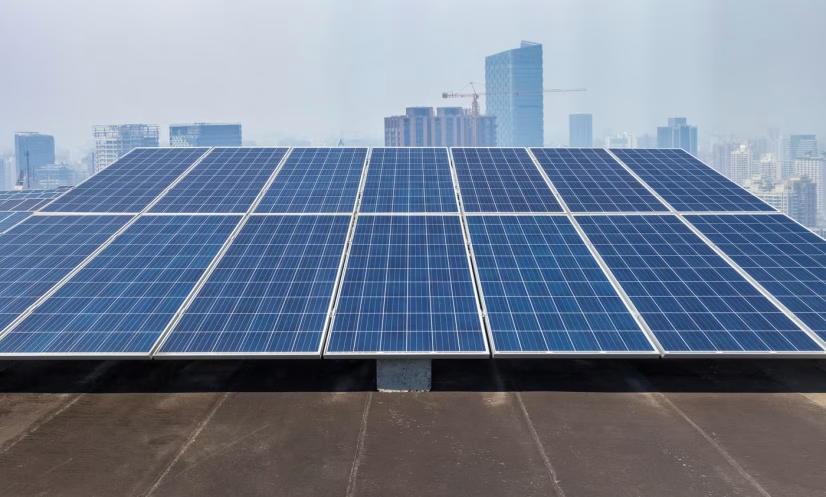
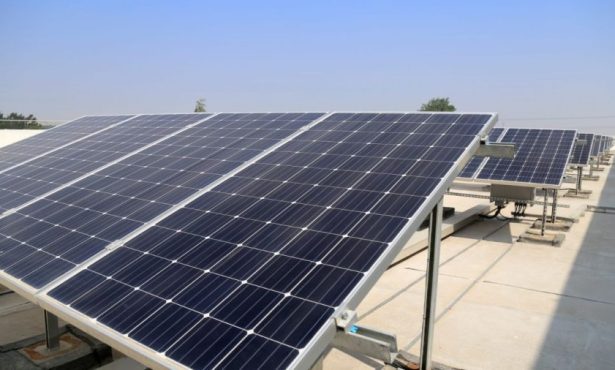
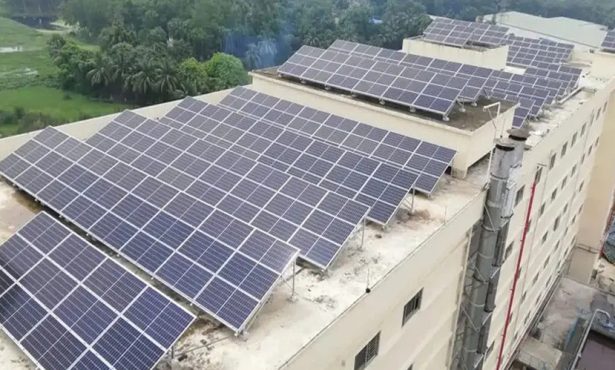
Rooftop solar power systems installed at deputy commissioner (DC) offices and divisional commissioner offices across Bangladesh have a combined capacity of 5.07 megawatts, offering scope to cut electricity bills and reduce dependence on the national grid.
However, the full benefits of the installations will depend on bringing the systems into operation and resolving pending administrative procedures, including approval for net metering, officials said.
According to a progress report on rooftop solar installations at government buildings, DC offices had a combined installed capacity of 4,663 kilowatts as of June, while five divisional commissioner offices had a capacity of 405.5 kilowatts.
The government has spent around Tk 15.15 crore on the initiative.
Officials said solar systems had been installed on government office rooftops, but some administrative formalities remained incomplete. Once the necessary approvals are secured, the systems could generate greater savings, while surplus electricity could be supplied to the national grid.
Under net metering, excess electricity generated by rooftop solar systems can be fed into the national grid, allowing eligible consumers to receive adjustments to their electricity bills.
According to the latest data from the Sustainable and Renewable Energy Development Authority (SREDA), Bangladesh has 1,935MW of installed renewable energy capacity, including 1,642MW of solar power.
The government has adopted the Renewable Energy Development Strategy 2026-2030, making renewable energy a priority in its election manifesto. The strategy aims to raise renewable power generation capacity to 10,500MW by 2030, including 5,500MW from rooftop solar installations.
Although the rooftop solar programme at government administrative offices represents a small share of the national target, officials and energy analysts say completing installations and resolving net-metering delays could help reduce public-sector electricity costs and encourage wider adoption of renewable energy.