Play store

SpaceX plans to attempt a historic recovery of both stages of its Starship megarocket during its next test flight, targeted for November, founder and chief executive Elon Musk said on Tuesday.
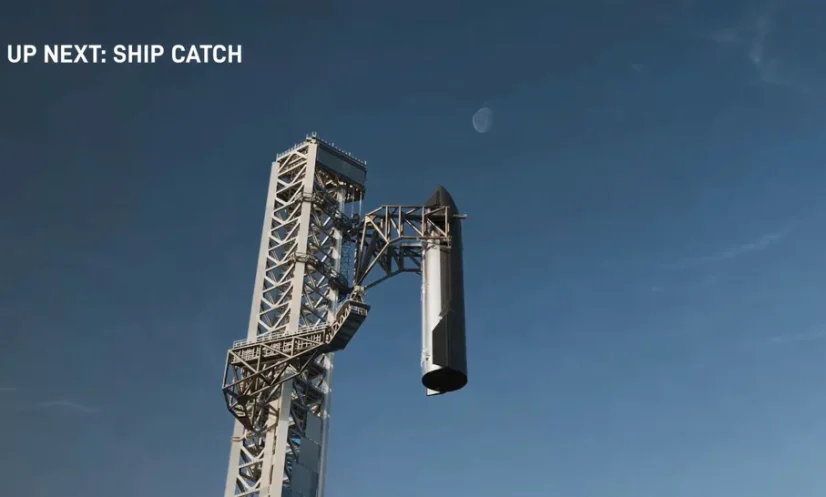
Speaking during the company’s third-quarter earnings call on October 20, Musk said the planned mission would attempt to catch both the Super Heavy booster and the Ship spacecraft using the mechanical arms of the launch tower.
If successful, the operation would mark the first time an orbital launch vehicle has been fully recovered, Musk said.
He described the achievement as a major technological milestone, arguing that a fully reusable orbital launch system is essential for expanding human activity beyond Earth over the long term.
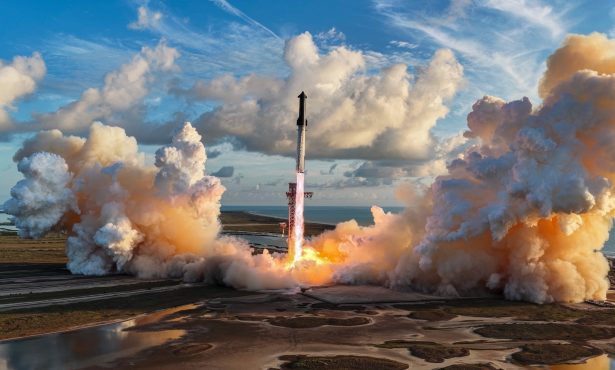
Standing more than 122 metres tall when fully assembled, Starship is the largest and most powerful rocket ever built. SpaceX aims to make both stages rapidly reusable to reduce launch costs and support ambitious missions, including the eventual settlement of Mars.
Unlike SpaceX’s Falcon 9 and Falcon Heavy rockets, which use reusable first-stage boosters but expendable upper stages, Starship is designed for the recovery and reuse of both stages.
Under the planned system, the Super Heavy booster and Ship spacecraft will return to the launch site, where the tower’s mechanical arms, known as chopsticks, will catch them. The approach is intended to speed up inspection, refurbishment and subsequent launches.
SpaceX has conducted 14 Starship test flights so far and successfully caught the Super Heavy booster with the launch tower on three occasions. However, it has yet to attempt a tower catch of the Ship upper stage, which travels higher, farther and faster than the booster, making recovery more challenging.
Musk expressed confidence that the company could succeed on its first attempt, although he did not provide an exact launch date for the 15th test flight.
He said SpaceX would continue conducting test flights through the end of 2026 if the initial attempt failed, with the pace expected to accelerate next year.
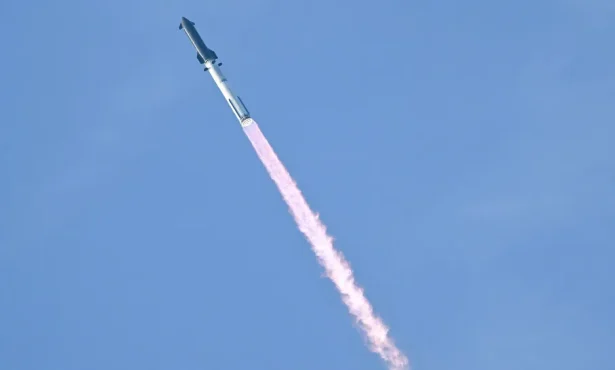
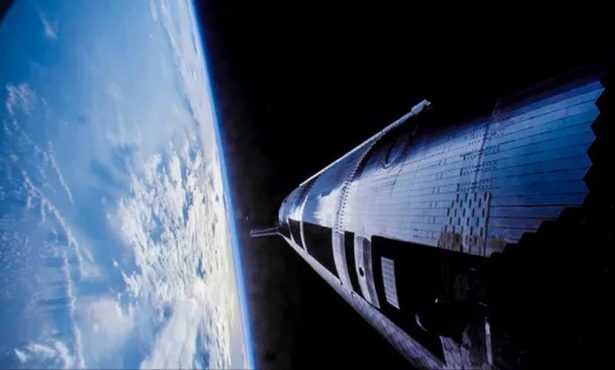
The planned recovery attempt follows another major milestone on September 28, when Starship reached orbit for the first time during its 14th test flight. The mission also deployed 26 next-generation Starlink Version 3 satellites.
SpaceX ultimately aims to operate Starship at a much higher launch frequency, with Musk previously outlining an ambition to conduct more than 10,000 launches annually by 2030.
The ability to recover and reuse both stages would be central to that goal, potentially lowering launch costs and increasing the capacity to transport cargo and infrastructure into space.