Play store

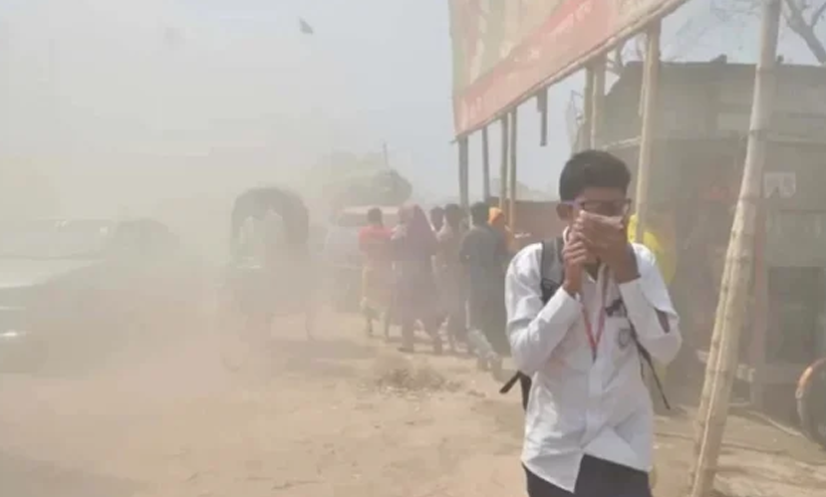
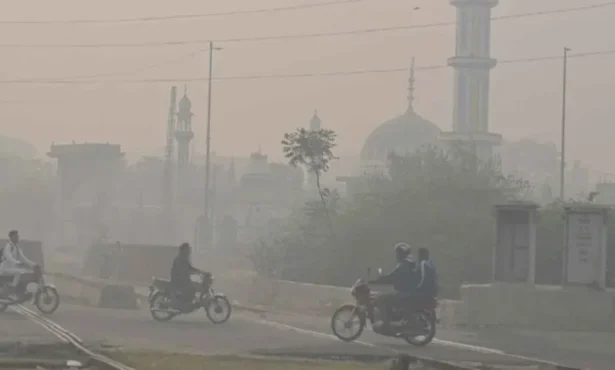
DHAKA: Dhaka ranked among the world’s five most polluted cities on Sunday morning, with an Air Quality Index (AQI) score of 171, according to the latest data from Swiss air quality monitoring organisation IQAir.
The score falls in the ‘unhealthy’ category under international air quality standards, raising concerns about the health of city residents.
Malaysia’s Kuching topped the list with an AQI score of around 215, followed by Mumbai in India with 191. Lahore in Pakistan ranked third with 180, while Kolkata in India was fourth with 178. Dhaka ranked fifth with 171.
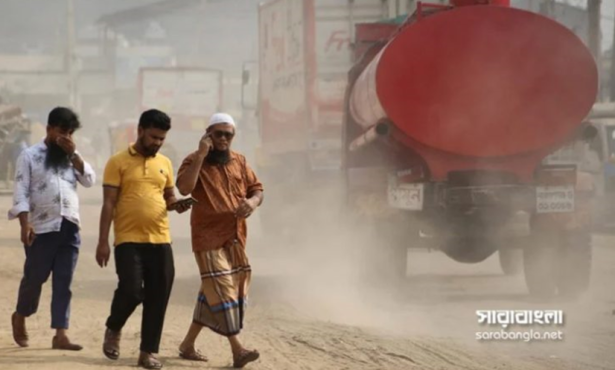
Air pollution in Dhaka is largely attributed to vehicle emissions, dust from unplanned construction activities, smoke from brick kilns, and the burning of waste and low-quality fuels.
As the dry season approaches, the lack of rainfall and reduced wind speeds can contribute to the accumulation of pollutants in the air. The concentration of fine particulate matter, particularly PM2.5, can rise significantly under such conditions, leaving harmful particles suspended close to the ground.
The deteriorating air quality poses serious health risks. Under the AQI scale, scores of 0–50 are considered ‘good’, 101–150 are ‘unhealthy for sensitive groups’, and 151–200 are classified as ‘unhealthy’. Scores of 201–300 are considered ‘very unhealthy’, while readings above 300 fall into the ‘hazardous’ category.
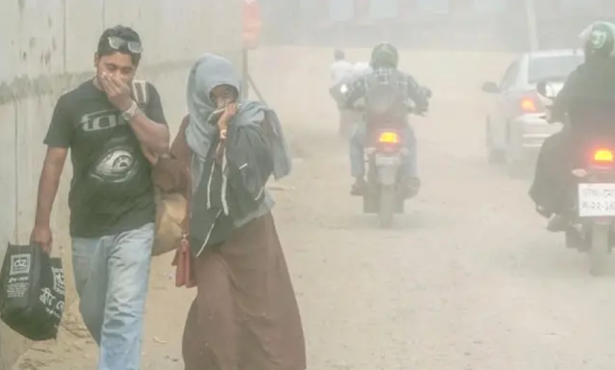
Prolonged exposure to air with an AQI of 171 may cause eye and throat irritation, dry coughs and breathing difficulties. Children, older adults, pregnant women, and people with existing heart or lung conditions are particularly vulnerable.
Long-term exposure to polluted air is also associated with an increased risk of serious cardiovascular and respiratory diseases.
IQAir and health experts advise residents to avoid spending extended periods outdoors when air quality reaches unhealthy levels. Outdoor exercise, running and strenuous physical activities should be limited. Those who must go outside are advised to wear a well-fitting mask designed to filter fine particles.
Authorities should also take measures to control dust, including regularly spraying water on roads and construction sites, while vulnerable residents should take precautions to reduce their exposure to polluted air.